Author name: Dongstardecor

Blog, WPC Wall Panel

Indoor WPC Wall Panel Price Guide (USA & EU Market)

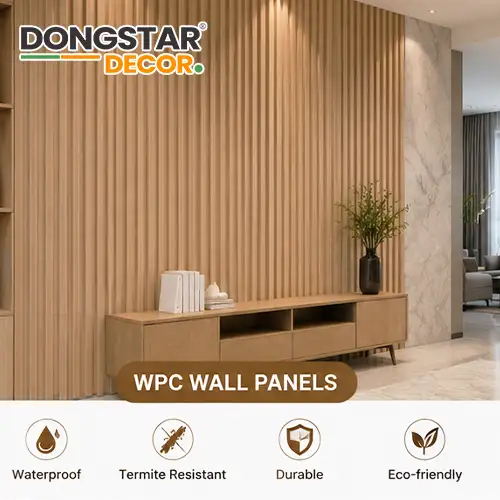
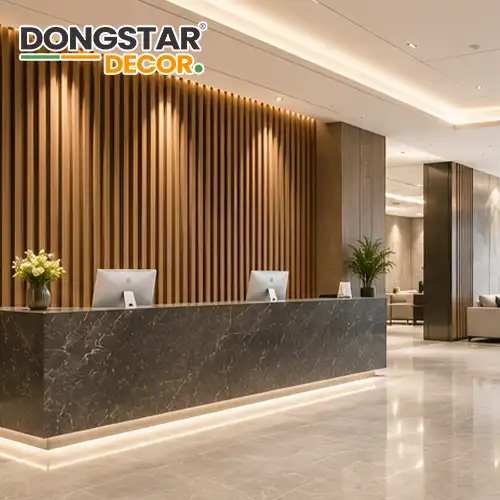
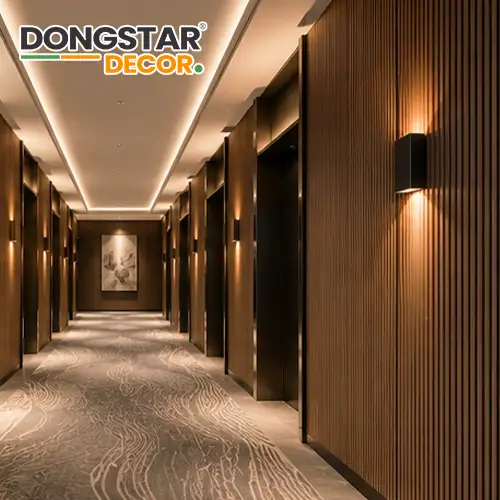
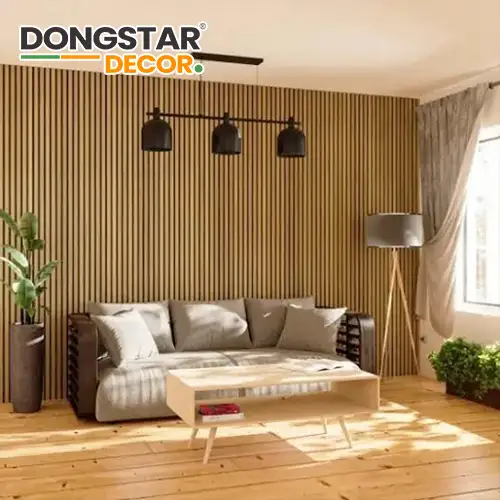
The global interior decoration market is changing quickly. Across the United States and Europe, developers, contractors, wholesalers, and distributors are increasingly switching from traditional MDF and wood materials to modern Indoor WPC Wall Panel systems.Why?Because buyers now care about: Faster installation Lower maintenance costs Moisture resistance Fire safety compliance Long-term project profitability At the same time, Google search trends show rising demand for: wholesale WPC wall panels fireproof WPC wall panels indoor WPC wall panel price per sqm buy WPC wall panels in bulk For importers and project buyers, pricing has become one of the most important purchasing factors in 2026. But many buyers still struggle to understand: Real factory pricing Shipping costs EU vs USA market differences Hidden import expenses Quality-related price gaps This guide explains everything professional buyers should know before sourcing WPC wall panels for large commercial or wholesale projects. What Is an Indoor WPC Wall Panel? An Indoor WPC Wall Panel is a decorative composite wall material made from: Wood fiber Thermoplastics Additives for durability and fire resistance Compared with traditional wood panels, modern WPC systems provide: Better moisture resistance Longer lifespan Faster installation Lower maintenance More stable performance The fastest-growing categories in 2026 include: Slatted acoustic panels Fluted decorative panels Marble texture WPC systems Fireproof indoor WPC wall panels Why Indoor WPC Wall Panel Demand Is Rising in USA & Europe 1. Commercial Renovation Boom Hotels, offices, restaurants, and retail chains are accelerating renovation projects.WPC panels reduce: Labor costs Installation time Future maintenance expenses This is especially important in high-labor-cost countries like: Germany UK France USA Netherlands 2. Fire Safety Regulations Searches for fireproof WPC wall panels indoor have increased significantly because commercial projects now require: Better fire ratings Low smoke emission Safer decorative materials Fire-resistant WPC products are becoming standard in: Hotels Offices Public buildings Apartments 3. Premium Interior Trends Modern consumers increasingly prefer: Natural wood aesthetics Minimalist interiors Acoustic comfort Sustainable materials This has pushed demand for premium WPC wall panel indoor products across developed markets. Indoor WPC Wall Panel Price Per SQM in 2026 Pricing depends heavily on: Product quality Surface finish Fire resistance Thickness Density Order quantity Shipping destination Average USA & EU Market Price Range Product Type Factory Price (USD/m²) Imported Wholesale Price Retail Market Price Standard WPC Panels $8–$15 $18–$35 $40–$80 Fluted WPC Panels $12–$22 $28–$50 $60–$120 Acoustic WPC Panels $18–$40 $45–$90 $100–$180 Fireproof WPC Wall Panels Indoor $20–$45 $50–$120 $120–$250 Marble Texture Panels $22–$50 $60–$130 $150–$300 Why Prices Vary So Much 1. Material Density Low-density panels are cheaper but often: Less durable Easier to deform Lower fire performance Higher-density panels provide: Better structural stability Premium feel Longer lifespan 2. Surface Technology Premium finishes increase pricing: Deep embossing Matte textures Synchronized wood grain Anti-scratch coatings European buyers especially prefer matte natural textures over glossy surfaces. 3. Fireproof Performance Certified fireproof WPC wall panels indoor products cost more because they require: Specialized additives Fire testing Compliance certification For commercial projects, this extra cost is usually necessary. USA vs EU Market: Key Pricing Differences USA Market USA buyers focus heavily on: Competitive pricing Fast delivery Easy installation Bulk purchasing flexibility Popular products: Slatted wall systems Acoustic office panels Modern living room feature walls European Market European buyers prioritize: Sustainability Certifications Fire safety Architectural aesthetics Popular finishes: Oak wood grain Walnut matte textures Black fluted panels European imports usually require stricter certification compliance, increasing costs slightly. Wholesale WPC Wall Panels: How Bulk Buyers Save Money Experienced importers rarely buy small quantities. Container Orders Reduce Costs Typical savings: 20ft container: moderate savings 40HQ container: best unit pricing Bulk orders reduce: Shipping cost per sqm Packaging cost Production setup costs How to Buy WPC Wall Panels in Bulk Professional buyers usually follow these steps: 1. Request Samples Never skip sample verification. 2. Verify Certifications Especially important for EU and USA commercial projects. 3. Confirm Packaging Strong export packaging prevents edge damage. 4. Inspect Before Shipment Third-party inspection reduces risk. Hidden Costs Many Buyers Ignore 1. Shipping Costs Sea freight prices fluctuate significantly. 2. Import Duties Tariffs vary by country. 3. Warehouse Costs Storage expenses can impact total profit. 4. Installation Accessories Clips, trims, and profiles are often excluded from quotations. How to Choose the Right Indoor WPC Wall Panel Supplier Choosing the right indoor WPC wall panel supplier matters more than finding the cheapest price. What Professional Buyers Look For Factory Capacity Reliable factories should support: Large-volume orders Stable lead times Consistent production quality Export Experience Experienced suppliers understand: EU regulations USA market requirements Packaging standards Documentation processes OEM & Customization Top suppliers provide: Custom colors Fireproof options Acoustic structures Private branding Most Popular WPC Wall Panel Designs in 2026 1. Oak Slatted Panels Still dominating luxury residential interiors. 2. Black Fluted Panels Strong demand in retail and hospitality sectors. 3. Acoustic WPC Panels Rapid growth in offices and hotels. 4. Marble Texture Panels Premium appearance without natural stone cost. FAQs 1. What is the average WPC wall panel price per sqm? Factory prices typically range from $8–$50/m² depending on quality and specifications. 2. Are fireproof WPC wall panels worth the extra cost? Yes. Commercial projects increasingly require fire-rated materials. 3. Which market has stronger demand: USA or Europe? Both are growing rapidly, but Europe has stricter certification requirements. 4. What is the best way to buy WPC wall panels in bulk? Container orders directly from manufacturers usually provide the best pricing. 5. How can I verify a WPC supplier? Request certifications, factory videos, export records, and product samples. 6. Which WPC panel style sells best in 2026? Oak slatted panels and acoustic fluted systems are among the strongest trends. Conclusion The global demand for Indoor WPC Wall Panel products continues to grow rapidly across the USA and Europe. Buyers increasingly prioritize: Fire safety Durability Sustainability Modern aesthetics Faster installation For wholesalers, contractors, and importers, understanding the real WPC wall panel price per sqm is essential for controlling costs and improving margins.The most successful buyers in 2026 are focusing on: Reliable suppliers Certified

dongstar indoor wpc wall panels
Blog, WPC Wall Panel

How to Import Indoor WPC Wall Panels from China?

China has become the world’s largest manufacturing hub for decorative building materials, and the demand for Indoor WPC Wall Panel products continues to rise rapidly across Europe, North America, Australia, and the Middle East.For project contractors, wholesalers, distributors, and developers, importing directly from China can significantly reduce procurement costs while improving product selection and customization opportunities.But importing successfully is not only about finding the lowest price.Many buyers lose money because of: Poor supplier selection Unstable quality Shipping delays Incorrect certifications Hidden logistics costs This guide explains how experienced buyers import WPC wall panel indoor products from China efficiently, safely, and profitably in 2026. Why Global Buyers Import WPC Wall Panels from China China dominates the global WPC interior wall panels supply chain because manufacturers offer: Competitive factory pricing Large production capacity OEM/ODM customization Faster product development Diverse designs and finishes Compared with local sourcing in Europe or North America, importing from China can reduce purchasing costs by 20%–40% for bulk orders.For wholesalers and project contractors, this creates stronger profit margins and more competitive project bidding opportunities. What Is an Indoor WPC Wall Panel? An Indoor WPC Wall Panel is a decorative wall material made from wood fiber and thermoplastic materials.It combines: The natural appearance of wood The durability of engineered composite materials Moisture resistance Easier maintenance Modern WPC panels are widely used in: Hotels Offices Retail stores Apartments Villas Commercial interiors The strongest demand currently comes from: Fluted wall panels Slatted acoustic panels Marble texture WPC panels Large-format seamless panels Step-by-Step Guide to Importing Indoor WPC Wall Panels from China Step 1: Understand Your Market Demand Before contacting suppliers, define: Your target customer segment Preferred designs Local building standards Popular color trends For Europe and North America, current high-demand products include: Oak slatted panels Matte walnut finishes Acoustic WPC wall systems Black fluted panels Understanding demand first helps avoid slow-moving inventory. Step 2: Find Reliable WPC Wall Panel Manufacturers This is the most important step.A reliable supplier should provide: Stable quality Export experience Strong production capacity Professional documentation support Where to Find Suppliers 1. Google Search Search keywords like: Indoor WPC Wall Panel manufacturer WPC wall panel indoor supplier wholesale WPC interior wall panels 2. Trade Shows Popular exhibitions: Canton Fair CIFF Guangzhou BIG 5 Dubai 3. Industry Websites Professional company websites are usually more reliable than marketplace-only suppliers. Step 3: Verify Factory Capability Never rely only on product photos.Request: Factory videos Production line photos Export certifications Test reports Real project cases Reliable factories usually have: Automated extrusion lines Professional QC systems Dedicated export departments Step 4: Check Certifications Carefully For developed countries, certifications are critical. Common Certifications Buyers Request Market Common Requirements Europe CE, Fire Rating USA ASTM, VOC Testing UK Fire Safety Compliance Australia Environmental Compliance Without proper certification, customs clearance or project approval may fail. Step 5: Request Samples Before Bulk Orders Professional importers never skip sample testing.Evaluate: Surface quality Color consistency Installation structure Edge finishing Packaging quality Many experienced buyers also perform: Water resistance tests Fire tests Impact tests Step 6: Understand MOQ and Pricing Typical MOQ Product Type MOQ Standard Panels 100–300 sqm Customized Colors 500–1000 sqm Average Price Range in 2026 Product Type Price Range Standard WPC Panels $8–$20/m² Acoustic Panels $18–$40/m² Premium Marble Texture Panels $20–$45/m² Prices depend on: Surface finish Material density Fire resistance level Packaging requirements Step 7: Confirm Shipping Terms Most Common Trade Terms FOB (Free on Board) Buyer arranges shipping. CIF (Cost Insurance Freight) Supplier arranges shipping to destination port.Most experienced importers prefer FOB for better logistics control. Step 8: Choose the Right Shipping Method Sea Freight Best for: Container orders Lower transportation cost Air Freight Suitable for: Samples Urgent replacement orders For large-volume imports, sea freight remains the most economical option. Step 9: Inspect Goods Before Shipment A third-party inspection helps avoid serious losses.Inspection should verify: Quantity Packaging Surface quality Color consistency Carton labeling Skipping inspection is one of the most common importer mistakes. Step 10: Build Long-Term Supplier Relationships The best pricing and priority production often go to long-term buyers.Stable partnerships help with: Better payment terms Faster production Product customization Market-exclusive designs Most Popular Indoor WPC Wall Panel Styles in 2026 1. Slatted Oak Panels Strong demand in Europe and North America. 2. Acoustic WPC Wall Panels Growing rapidly in office and hospitality sectors. 3. Marble Texture Panels Luxury appearance with easier installation. 4. Black Fluted Panels High-margin product category for commercial interiors. Common Import Problems Buyers Face 1. Inconsistent Product Quality Different batches may have different colors or finishes. 2. Delayed Shipping Peak season congestion affects delivery schedules. 3. Poor Packaging Weak packaging can cause edge damage during transport. 4. Fake Certifications Always verify testing documents carefully. How to Reduce Import Risks Experienced importers usually: Start with trial orders Use third-party inspections Verify certifications directly Avoid extremely low-price suppliers The cheapest supplier is rarely the safest choice. FAQs 1. Is importing Indoor WPC Wall Panels from China profitable? Yes. Most wholesalers and contractors achieve significantly lower procurement costs compared with local sourcing. 2. What is the best shipping method? Sea freight is usually the most cost-effective for bulk imports. 3. How do I verify a WPC supplier in China? Request factory audits, certifications, videos, and project references. 4. Are WPC interior wall panels waterproof? Yes, high-quality WPC panels offer strong moisture resistance. 5. What are the best-selling WPC panel styles in Europe? Oak slatted panels, black fluted designs, and acoustic wall systems. 6. How long does production usually take? Typically 15–30 days depending on order size and customization. Conclusion Importing Indoor WPC Wall Panel products from China can create major opportunities for wholesalers, importers, and project contractors — but success depends on choosing the right supplier and controlling quality carefully.The strongest-performing importers in 2026 focus on: Premium product positioning Stable supplier partnerships Certification compliance Trending European designs As global demand for WPC wall panel indoor solutions continues growing, buyers who build reliable supply chains early will gain significant competitive advantages. Related Articles

top indoor wpc wall panel designs trending in europ
Blog, WPC Wall Panel

Top Indoor WPC Wall Panel Designs Trending in Europ

Europe’s interior design market is changing fast. Over the last two years, architects, contractors, wholesalers, and developers across Germany, France, the UK, Italy, and the Netherlands have shifted toward sustainable and low-maintenance decorative materials. Among them, Indoor WPC Wall Panel products have become one of the fastest-growing categories in the commercial and residential interior market.From luxury hotels in Dubai serving European investors to minimalist apartments in Scandinavia, demand for premium-looking, eco-friendly wall systems keeps rising. Buyers are no longer only comparing prices — they care about durability, fire safety, installation speed, and modern aesthetics.For importers and project buyers, understanding the latest European design trends is critical. The right product selection can improve profit margins, increase project value, and reduce after-sales issues.This guide explores the most popular WPC wall panel indoor styles trending in Europe for 2026, including what wholesalers and contractors should focus on before placing bulk orders. Why Indoor WPC Wall Panels Are Growing Fast in Europe Sustainability Is Driving Material Selection European markets are heavily influenced by environmental regulations and green building standards. Traditional wood panels often face problems such as: Moisture expansion Mold growth High maintenance costs Deforestation concerns Modern WPC interior wall panels solve many of these issues by combining recycled wood fiber with polymer materials.For commercial buyers, this means: Longer service life Lower maintenance expenses Better moisture resistance Faster project installation This is one reason why developers increasingly specify WPC materials in hotels, offices, retail stores, and apartments. Top Indoor WPC Wall Panel Designs Trending in Europe 1. Natural Oak Slatted Wall Panels The Most Requested Style in Northern Europe Minimalist oak-tone slatted panels are dominating Scandinavian and German interior projects.Why buyers love them: Warm natural appearance Acoustic improvement Luxury yet simple design language Suitable for offices and residential interiors These panels work particularly well in: Hotel lobbies Reception areas Luxury apartments Conference rooms The matte oak finish is currently outperforming glossy textures in Google search trends and supplier inquiries. Best-Selling Colors Light oak Natural walnut Smoked ash 2. Charcoal Black Fluted Panels Premium Commercial Design Trend Dark fluted panels are becoming popular in: High-end retail stores Bars and restaurants Modern office spaces European designers increasingly combine black fluted Indoor WPC Wall Panel systems with LED lighting to create premium visual effects.Compared with painted MDF, WPC fluted panels offer: Better moisture resistance Reduced cracking risk Easier maintenance For wholesalers, black and dark walnut finishes currently generate higher margins due to premium positioning. 3. Marble Texture WPC Interior Wall Panels Luxury Appearance Without Natural Stone Costs Marble-style WPC interior wall panels continue gaining popularity because they provide a high-end appearance without the weight and installation complexity of real stone.Trending styles include: White Carrara marble Grey stone textures Matte travertine finishes These products are especially popular in: Bathrooms Hotel interiors Showrooms Luxury apartments Project contractors prefer them because installation is significantly faster than ceramic or natural stone systems. 4. Seamless Large-Format WPC Panels Modern European Minimalism One of the strongest 2026 design directions is seamless interiors.Large-format panels create: Cleaner visual lines Fewer visible joints More premium architectural aesthetics This style is growing rapidly in: Italy France Netherlands Architects increasingly request customized dimensions for seamless wall integration. 5. Wood Grain Acoustic Wall Panels Combining Decoration with Functionality Acoustic interiors are no longer limited to offices. Residential developers across Europe now integrate acoustic wall systems into apartments and villas.Wood grain acoustic WPC wall panel indoor products provide: Noise reduction Decorative appeal Fast installation Long-term durability This trend is particularly strong in: Co-working spaces Home theaters Hospitality projects What European Importers Care About Most 1. Fire Resistance Standards European buyers increasingly require: B1 fire rating EN certification Low smoke emission performance Without proper certifications, many projects cannot proceed. 2. Stable Supply Chain Importers are prioritizing suppliers with: Large production capacity Stable delivery schedules Export experience Late shipments can seriously impact construction schedules. 3. Consistent Color Matching One major complaint in bulk purchases is color inconsistency between production batches.Reliable manufacturers should offer: Strict QC systems Batch color control Professional packaging protection 4. Easy Installation Systems European contractors prefer products with: Click-lock systems Lightweight structures Reduced labor requirements Installation efficiency directly impacts total project profitability. Indoor WPC Wall Panel vs Traditional Materials Feature WPC Panels MDF Panels Natural Wood Moisture Resistance Excellent Low Medium Maintenance Low Medium High Lifespan 10–20 Years 5–8 Years 8–15 Years Installation Speed Fast Medium Slow Eco-Friendly High Medium Low Commercial Durability Excellent Medium Medium How to Choose the Right WPC Wall Panel Supplier For European importers and wholesalers, choosing the right supplier is more important than choosing the lowest price. Key Factors to Evaluate Factory Experience Look for suppliers with: 5+ years export experience European market familiarity OEM/ODM capability Production Capacity A reliable supplier should support: Container-load orders Stable lead times Large-scale project supply Certifications Important certifications include: ISO CE Fire resistance reports Customization Support High-conversion suppliers usually provide: Customized colors Surface textures Private branding Wholesale Buying Tips for 2026 Buy Trending Colors First Fast-moving European colors: Light oak Walnut Matte black Warm grey Avoid Overly Glossy Finishes European buyers increasingly prefer: Matte textures Natural finishes Soft-touch surfaces Glossy panels are losing popularity in premium markets. Focus on Premium Segments Margins are usually higher for: Acoustic panels Fluted wall systems Large-format decorative panels Competing only on price reduces long-term profitability. FAQs 1. Why are Indoor WPC Wall Panels popular in Europe? Because they combine sustainability, modern aesthetics, and low maintenance. 2. Which WPC panel design is most popular in 2026? Slatted oak panels and black fluted panels are among the strongest trends. 3. Are WPC interior wall panels waterproof? Yes, most high-quality WPC panels are moisture-resistant and suitable for humid interiors. 4. What certifications do European buyers require? Common requirements include CE certification and fire resistance testing. 5. Are WPC wall panels better than MDF? For moisture resistance and durability, WPC panels perform significantly better. 6. What is the best market for wholesale WPC wall panels? Commercial projects and premium residential developments currently offer the strongest

indoor wpc wall panels vs pvc panels
Blog, WPC Wall Panel

Indoor WPC Wall Panels vs PVC Panels: Which Is Better?

Introduction: Why This Comparison Matters in 2026 Growing Demand for Wall Panels Interior wall panel demand has surged over the last few years. For project developers, wholesalers, and importers, the shift toward modular construction and quick installation solutions has made wall panels a preferred option. Why Buyers Are Comparing WPC and PVC Two materials dominate this space: Indoor WPC Wall Panel and PVC Panels. Both are widely used, but they serve different purposes. Choosing the wrong one can increase long-term costs or reduce project value—something bulk buyers can’t afford. What Is an Indoor WPC Wall Panel? Composition & Manufacturing An Indoor WPC Wall Panel is made from a blend of wood fiber and thermoplastics. This hybrid structure gives it the appearance of natural wood while maintaining high durability. The manufacturing process involves extrusion, ensuring consistent quality—especially important for wholesale buyers. Key Features High strength and rigidity Moisture and termite resistance Premium wood-like finish Suitable for high-end interior projects What Are PVC Panels? Composition & Structure PVC Panels are made entirely from polyvinyl chloride, a lightweight plastic material. They are widely used due to their affordability and ease of installation. Common Use Cases Budget residential interiors Temporary installations Low-cost renovation projects Indoor WPC Wall Panel vs PVC Panels: Core Differences Material Composition WPC: Wood + plastic composite PVC: Pure plastic This difference directly affects performance and pricing. Strength & Durability WPC panels are significantly stronger and more impact-resistant than PVC panels. For commercial projects or high-traffic areas, WPC is the preferred choice. PVC panels, while lightweight, can crack or deform under pressure. Aesthetic Appeal WPC panels offer: Natural wood textures Deep embossing Premium finish PVC panels typically have: Printed surfaces Less realistic textures For projects targeting premium markets, WPC panels deliver better visual value. Environmental Impact WPC panels are often made from recycled materials, making them more eco-friendly. PVC panels, on the other hand, are less sustainable and harder to recycle. Cost Comparison in 2026 Material Cost Material Price Range (USD/m²) WPC Panels $15 – $45 PVC Panels $5 – $20 PVC panels are cheaper upfront, making them attractive for low-budget projects. Installation Cost WPC panels are slightly heavier but still easy to install. Labor costs are similar, though WPC may require stronger support structures. Long-Term Value This is where WPC wins. Longer lifespan Lower maintenance Higher resale value PVC panels may require replacement sooner, increasing total project cost. Performance Comparison Waterproof & Moisture Resistance Both materials are waterproof, but WPC panels offer better stability in humid environments. Fire Resistance WPC panels often meet higher fire safety standards, which is critical for commercial projects. Maintenance Requirements WPC: Minimal maintenance PVC: May discolor or warp over time Applications: Which One Fits Your Project? Commercial Projects WPC panels are widely used in: Hotels Offices Retail stores They provide durability and a premium look—key for branding. Residential Projects PVC panels are common in: Budget housing Rental properties WPC panels are preferred for: Living rooms Feature walls Indoor WPC Wall Panel Supplier vs PVC Panel Supplier Manufacturing Standards A reliable indoor WPC wall panel supplier typically offers: ISO-certified production Strict quality control Consistent bulk supply PVC suppliers may vary significantly in quality. Customization & OEM WPC suppliers usually provide: Custom colors Surface finishes Branding options This flexibility is crucial for wholesalers and importers. Wholesale Buying Guide MOQ & Bulk Pricing WPC panels: Better pricing at container level PVC panels: Lower MOQ but less margin potential Import & Logistics Considerations WPC panels: Higher weight, better durability PVC panels: Lightweight but more prone to damage Market Trends & Buyer Preferences Global Demand Trends The demand for WPC panels is rising rapidly due to: Sustainability requirements Premium interior trends Long-term cost advantages PVC panels remain strong in price-sensitive markets. Future Outlook By 2026 and beyond: WPC panels will dominate mid-to-high-end markets PVC panels will remain in entry-level segments Common Mistakes Buyers Make Choosing PVC panels for high-end projects Ignoring long-term maintenance costs Not verifying supplier certifications Focusing only on initial price FAQs 1. Which is better: Indoor WPC Wall Panel or PVC Panels? For durability and premium projects, WPC is better. For low-budget use, PVC is suitable. 2. Are WPC panels worth the higher price? Yes, due to longer lifespan and lower maintenance. 3. Can PVC panels replace WPC panels? Only in low-end or temporary applications. 4. What is the lifespan difference? WPC: 10–20 years; PVC: 5–10 years. 5. Which is better for wholesale business? WPC panels offer higher margins and long-term demand. 6. How to choose a reliable supplier? Check certifications, factory capacity, and export experience. Conclusion The choice between Indoor WPC Wall Panel and PVC Panels depends on your project goals. For importers, wholesalers, and contractors targeting long-term value and premium markets, WPC panels are the smarter investment. PVC panels still have their place—but mainly in budget-driven projects. Related Articles

indoor wpc wall panel complete buyer is guide for 2026
Blog, WPC Wall Panel

Indoor WPC Wall Panel: Complete Buyer’s Guide for 2026

Introduction to Indoor WPC Wall Panel What is an Indoor WPC Wall Panel? An Indoor WPC Wall Panel is a modern composite decorative material made from wood fiber and plastic polymers. It combines the natural aesthetics of wood with the durability of engineered materials, making it ideal for both residential and commercial interiors. Unlike traditional wood or MDF, WPC panels are designed to resist moisture, termites, and deformation—key concerns for large-scale projects and imports. Why It’s Dominating Interior Projects in 2026 The shift toward sustainable construction and fast installation solutions is driving massive adoption. According to recent industry reports, WPC materials are becoming a mainstream interior solution rather than a niche product. In fact, the global WPC market is growing rapidly due to eco-friendly demand and urban construction expansion. Market Trends & Demand Forecast Global Market Growth & Data The demand for WPC wall panels continues to rise globally, especially in Asia, the Middle East, and Europe. Market data shows: CAGR of 6%–9% in wall panel segment Strong growth driven by green building policies Expansion in commercial and office renovation sectors Additionally, the overall wall panel market is benefiting from fast-track construction and modular building trends. Why B2B Buyers Prefer WPC Panels For project contractors, wholesalers, and importers, the advantages are clear: Lower lifecycle cost Faster installation Consistent quality in bulk orders Compliance with environmental standards Key Advantages of Indoor WPC Wall Panels Durability & Moisture Resistance WPC panels outperform traditional materials: Waterproof and anti-mold Termite-resistant Long lifespan with minimal deformation These features significantly reduce maintenance costs for large projects. Eco-Friendly & Sustainable Materials Modern WPC panels use recycled plastic and wood fiber, aligning with global ESG trends. Many products now meet: Low VOC standards Formaldehyde-free requirements This is especially important for European and North American imports. Cost Efficiency for Bulk Buyers Compared to solid wood: Lower material cost Reduced labor cost (fast installation) Minimal maintenance Typical 2026 pricing ranges from $8–$45/m², depending on quality and volume. Types of Indoor WPC Wall Panels Flat Panels vs 3D Panels Flat panels: Cost-effective, simple design 3D panels: Premium aesthetic, used for feature walls Fluted & Slatted Designs Fluted panels are among the best-selling styles in 2026 due to: Acoustic benefits Modern linear aesthetics Marble & Stone Texture Panels These panels provide: Lightweight alternative to stone Lower shipping costs High-end visual appeal Design Trends for 2026 Color Trends Popular colors include: Warm wood tones (oak, walnut) Deep tones (charcoal, black) These align with global interior trends toward natural and luxury aesthetics . Texture & Surface Innovations Key innovations: Matte finishes replacing glossy surfaces Deep embossed textures 3D tactile designs Indoor WPC Wall Panel Applications Commercial Projects Widely used in: Hotels Offices Retail spaces Commercial demand is driven by: Fast installation Branding flexibility Acoustic performance Residential Projects Applications include: Living rooms Bedrooms Kitchens and bathrooms How to Choose a Reliable Indoor WPC Wall Panel Supplier Factory Capability Check: Production capacity Automation level Lead time Certifications & Quality Standards Look for: ISO certification Fire rating compliance Environmental certifications OEM/ODM Support Top suppliers offer: Custom colors Private labeling Project-based solutions Wholesale WPC Wall Panels Buying Guide MOQ & Pricing Strategy Lower MOQ for trial orders Better pricing for container loads Shipping & Logistics Consider: FOB vs CIF pricing Container optimization Packaging quality Price Analysis in 2026 Cost Breakdown Cost Component Percentage Raw Materials 40% Manufacturing 25% Logistics 20% Margin 15% Hidden Costs Installation accessories Import duties Installation & Maintenance Installation Methods Click-lock system Adhesive installation Keel structure installation Maintenance Tips Clean with mild detergent Avoid sharp impact No repainting required Common Mistakes Buyers Make Choosing price over quality Ignoring certifications Underestimating shipping cost Not testing samples FAQs 1. What is the lifespan of indoor WPC wall panels? Typically 10–20 years depending on quality and environment. 2. Are WPC panels waterproof? Yes, they are highly moisture-resistant and suitable for humid areas. 3. Can I import wholesale WPC wall panels directly from China? Yes, most global buyers source directly from manufacturers. 4. What is the MOQ for wholesale orders? Usually 100–500 m² depending on supplier. 5. Are WPC panels fire-resistant? Many products meet fire safety standards, but always verify certifications. 6. How to find a reliable indoor WPC wall panel supplier? Check factory audits, certifications, and export experience. Conclusion The Indoor WPC Wall Panel market in 2026 is booming, driven by sustainability, cost efficiency, and design flexibility. For project contractors, wholesalers, and importers, choosing the right indoor WPC wall panel supplier and sourcing wholesale WPC wall panels strategically can significantly improve profitability and project success. Related Articles

how to choose the right thickness for spc flooring
Blog, SPC Flooring​

How to Choose the Right Thickness for SPC Flooring?

When sourcing SPC Flooring for large-scale projects, thickness is often the first spec buyers compare—but it’s also one of the most misunderstood. Many project buyers assume “thicker is always better.” In reality, that’s only half true. Choosing the right thickness for SPC Flooring is about balancing performance, cost, installation conditions, and long-term ROI. If you get it wrong, you risk higher maintenance costs, customer complaints, or even project failure. This guide breaks it down clearly—no fluff, just practical insights used by real contractors and procurement teams. What Does SPC Flooring Thickness Actually Mean? SPC Flooring thickness refers to the total plank thickness, including multiple functional layers—not just the core. Structure Behind the Thickness Typical SPC Flooring includes: Wear layer (surface protection) Decorative layer (design) SPC rigid core (main structure) Underlayment (optional backing) Each layer contributes differently to performance. Important insight:Thickness alone doesn’t define quality—wear layer and core density matter just as much. Why Thickness Matters in Real Projects From a project perspective, thickness affects: Impact resistance (heavy furniture, foot traffic) Installation tolerance (subfloor imperfections) Acoustic performance (important for apartments) Dimensional stability (temperature & humidity changes) Thicker boards generally provide better rigidity and sound insulation, especially in demanding environments. Common SPC Flooring Thickness Options Explained Here’s what most suppliers offer in 2025: Thickness Best Use Case Buyer Insight 3.5–4mm Low-traffic residential Budget-driven projects 4.5–5mm Standard residential Most popular choice 5.5–6mm Residential + light commercial Best balance 6.5–7mm+ Commercial / high traffic Premium performance Most projects fall into the 4.5mm–6mm range, which balances cost and durability. How to Choose SPC Flooring Thickness Based on Project Type Residential Projects (Apartments, Villas) Recommended: 4mm–5mm Wear layer: ≥0.3mm Why: Cost-sensitive Moderate traffic Faster installation deal for developers aiming to control budget without sacrificing quality Commercial Projects (Retail, Offices, Hotels) Recommended: 5mm–7mm Wear layer: ≥0.5mm Why: Heavy foot traffic Higher durability expectations Longer lifecycle required Thicker SPC reduces replacement frequency and maintenance cost Renovation Projects (Uneven Subfloors) Recommended: 5.5mm+ or with underlay Why: Better tolerance for imperfect surfaces Reduces leveling costs Real-world tip from installers:Thicker flooring helps “hide” minor subfloor issues and speeds up installation. Key Factors Project Buyers Must Consider (Not Just Thickness) 1. Wear Layer Thickness Matters More Than You Think 0.3mm → Residential 0.5mm+ → Commercial A thinner board with a strong wear layer can outperform a thicker one with poor protection. 2. Subfloor Condition Can Change Everything If the subfloor is uneven: Thin SPC → higher failure risk Thick SPC → better stability Industry insight: installation quality often matters more than specs. 3. Cost vs Performance Trade-Off Thicker SPC = higher cost, but: Lower maintenance Longer lifespan Better customer satisfaction Smart buyers optimize total lifecycle cost, not just unit price. 4. Acoustic Requirements (Critical for Multi-Family Projects) Thicker SPC or attached underlay: Reduces noise transmission Meets building regulations 5. Climate & Environment SPC Flooring performs well in humidity, but: Thicker core = better stability Ideal for tropical or fluctuating climates Does Thicker SPC Flooring Always Mean Better Quality? Short answer: No. Many buyers overpay for thickness that doesn’t deliver real value. What actually matters: Core density Locking system quality Wear layer durability Thickness mainly improves: Comfort Sound insulation Installation tolerance Latest Market Trends (2025–2026 Buyer Insights) Recent procurement trends show: Growing demand for 5mm–6mm SPC Flooring Increased preference for attached underlayment Focus shifting from thickness → performance specs According to industry data, buyers are now prioritizing: Durability Installation efficiency Total cost of ownership Pro Tips from Real Installers (What Google Doesn’t Tell You) From contractor discussions: “Subfloor prep matters more than thickness.” “6mm is the safe zone for most projects.” “Thin SPC fails faster if installation isn’t perfect.” Translation for buyers: Don’t rely on thickness alone Invest in proper installation + quality materials SPC Flooring Thickness Selection Checklist (Quick Guide) Before finalizing your order, ask: What is the traffic level? Is the subfloor perfectly level? What is the project budget? Are there acoustic requirements? Residential or commercial use? FAQs About SPC Flooring Thickness 1. What is the best thickness for SPC Flooring? For most projects, 4.5mm–6mm offers the best balance of cost and durability. 2. Is 4mm SPC Flooring too thin? Not necessarily—it works for low-traffic residential areas but isn’t ideal for commercial use. 3. Is 6mm SPC Flooring good enough for commercial projects? Yes, it’s widely used for light to medium commercial applications. 4. Does thicker SPC last longer? Not always—durability depends more on the wear layer and core quality. 5. Should I choose SPC with underlayment? Yes, especially for apartments or projects requiring sound insulation. 6. What’s more important: thickness or wear layer? Wear layer is usually more critical for long-term performance. Conclusion: Choosing the Right SPC Flooring Thickness for Maximum ROI Choosing the right SPC Flooring thickness isn’t about picking the thickest option—it’s about making a smart, project-based decision. Final recommendation: Residential → 4.5–5mm Mixed use → 5–6mm Commercial → 6mm+ Focus on performance, installation conditions, and lifecycle cost, and you’ll get the best results. Related Articles

how to install pu stone panels on walls 1
Blog, PU Stone Panel​

How to Install PU Stone Panels on Walls? | Commercial Grade Guide

We’ve all been there. You quote a job for natural stone, and suddenly you’re dealing with structural concerns, moisture issues, and a timeline that keeps slipping because the material is heavy and slow to cut. That’s why, over the last two years, I’ve switched almost exclusively to PU Stone Panels for commercial facades and high-end residential feature walls. If you haven’t used them yet, PU Stone Panels (Polyurethane stone veneer) are the lightweight alternative to natural rock that still gives that high-end geological texture. They are shockingly durable, waterproof, and because they aren’t heavy, they totally change how you approach the installation. Here is the no-fluff, project-manager-approved method for installing them on walls. Why PU Stone is Different (And Why It Saves You Money) Before we slap on the adhesive, you need to understand the substrate requirements. Unlike real stone, which needs beefy footings and metal lath, PU Stone Panels are lightweight. This means: Less Labor: You don’t need a crew of four to lift them. Faster Cutting: A fine-tooth blade on a circular saw or even a sharp utility knife works. No Movement Joints (Usually): Because they are synthetic, they handle thermal expansion better than brittle stone. However, because they are lighter, the bond is everything. You aren’t relying on gravity as much; you are relying on the adhesive. Step 1: The “Bad” Substrate Check I know everyone skips this, but don’t. PU Stone Panels are waterproof, but the wall behind them needs to breathe or be properly sealed. Flatness: These panels are rigid. If your wall is bowed, you will see the bow. Run a straight edge over your sheathing or concrete. If you have gaps larger than 1/4 inch, you need to shim or fur out the wall. Moisture: If you are installing over exterior sheathing, you need a proper weather-resistant barrier (WRB) behind it. If you are going over concrete, make sure it’s cured and free of efflorescence. Step 2: The Layout (The “No Regrets” Phase) Don’t just start slapping panels on from the bottom corner. That is how you end up with a tiny sliver cut at the end of the wall that looks terrible. Snap a Level Line: Start from the highest point of the floor or grade. Measure up the height of one panel, minus about 1/2 inch for expansion if it’s an exterior application. Snap a chalk line perfectly level across the entire wall. Dry Lay: If you have the space, lay the first row of panels on the ground. Mix the boxes. PU Stone Panels are molded, so you will get slight color and texture variations between boxes. Mixing them now saves you from having a “striped” look later. Step 3: Cutting and Shaping This is where PU Stone Panels beat natural stone every time. For straight cuts: Use a miter saw with a carbide-tipped blade (the same blade you use for trim). It cuts through these like butter.For weird angles or outlets: Use a sharp utility knife. Score the front face deep, then snap the panel like drywall. The foam core snaps cleanly.Pro Tip: If you get a jagged edge, you can literally sand it with 80-grit sandpaper to shape it. Try doing that to granite. Step 4: Bonding (The Adhesive Debate) Forget thinset mortar. Unless you are troweling the wall and back-buttering (which you can), the easiest method for PU Stone Panels is construction adhesive. I use PL Premium or a similar polyurethane-based construction adhesive. For Flat Surfaces: Run a continuous 3/8-inch bead around the perimeter of the panel and one “S” shape in the center. For Uneven Surfaces: You might need a two-part epoxy or a mechanical fastener. Note: If you are doing a steam shower or a constantly wet interior, use a manufacturer-recommended mortar. But for 90% of accent walls and exterior facades, adhesive is faster and holds instantly. Step 5: Installation Press the panel onto the wall. Give it a twist. The adhesive needs to make full contact. Here is the trick to making it look real: Offset your seams. Don’t let the vertical lines line up from row to row. You want it to look like a random stone wall, not a brick pattern. Use a level every three panels. Because these are lightweight, they can drift slightly as the adhesive sets. If one is sinking, pop it off, add more glue, and reset it. Step 6: Corners (The Deal Breaker) The worst part of installing flat stone veneer is the corners. Mitering stone is a pain. Most good PU Stone Panels come with corner pieces. Inside Corners: Butt the panels together tightly. Outside Corners: Use the specific corner blocks. If you try to fold a flat panel around a corner, you will crack the “stone” texture. Always cut the flat panel back to the corner edge and apply the corner piece over the seam. Final Walkthrough Let the adhesive cure for 24 hours. PU Stone Panels don’t usually need sealing, but if they are in a high-traffic area where people might touch them, you can wipe them down with a damp cloth immediately. Dust from the job site settles in the grooves. If you have a customer worried about the longevity, remind them: this is the same material used on high-end movie sets and water parks. It doesn’t rot, it doesn’t fade quickly, and it weighs nothing. That means your steel structure doesn’t have to be over-engineered, and your crew goes home earlier. Related Articles

uv marble sheets for hotels
Blog, UV Marble Sheet

UV Marble Sheets for Hotels & Restaurants | Durable Wall Paneling Solution

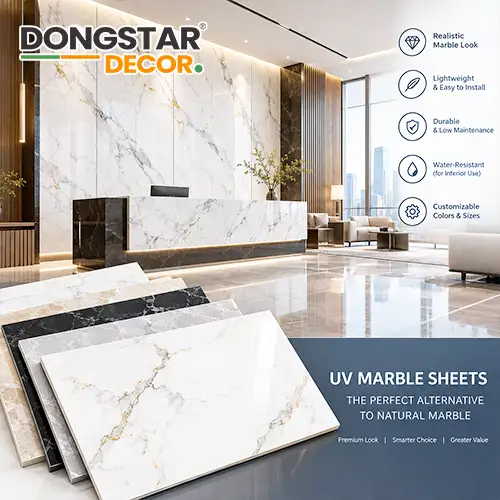
You’re overseeing a hotel lobby renovation or fitting out a new restaurant. The design calls for the luxury look of natural stone, but the budget and timeline tell a different story. Real marble is heavy, expensive, and a nightmare to install on tight schedules. This is where the conversation usually stops. But it doesn’t have to. In recent months, search trends among contractors and interior designers have shifted heavily toward high-performance alternatives. Specifically, UV Marble Sheet technology has moved from a “budget option” to a primary specification for commercial fit-outs. If you are managing a project where durability, hygiene, and speed matter, you need to understand why this material is winning bids across the hospitality sector. What Actually Makes a UV Marble Sheet Different? Let’s clear up the confusion. You will hear terms like PVC Marble Sheet and Wall Paneling Marble used interchangeably. While they are similar, there is a key difference in the finish. A standard PVC sheet gives you the look. A UV Marble Sheet adds a cured ultraviolet coating on top. This isn’t just marketing fluff. That UV layer provides: Scratch Resistance: Crucial for high-traffic areas like restaurant corridors or hotel reception desks. Stain Protection: Spilled wine, coffee, or cleaning chemicals won’t penetrate the surface. High Gloss Retention: Unlike painted surfaces that dull over time, the UV coating keeps the “wet look” of polished stone for years. For project managers, this means lower maintenance costs for the client down the line. That is a selling point you can use during your proposal phase. Why Hotels and Restaurants Are Switching to Wall Paneling Marble Hospitality spaces have unique demands. A residential wall doesn’t face the same wear and tear as a hotel elevator lobby or a busy dining room. Here is why commercial clients are specifying Wall Paneling Marble made from UV-treated composites. 1. Speed of Installation Time is money. Real stone requires mortar, heavy lifting equipment, and days of curing. UV sheets are lightweight. They can be installed directly over existing walls (drywall or plywood) using adhesive or mechanical fixing. Result: You can cut wall finishing time by up to 60%. 2. Hygiene and Cleanability Post-pandemic, hygiene is non-negotiable. Grout lines in traditional tiles trap bacteria and grime. A seamless UV Marble Sheet installation eliminates most grout lines. A simple wipe-down is all that’s needed to meet health standards. 3. Fire Safety Compliance Commercial projects must meet strict fire codes. High-quality PVC Marble Sheet options come with B1 or A2 fire ratings. Always verify the certification for your specific region, but rest assured, modern UV sheets are engineered to meet commercial safety standards, unlike cheap residential cladding. UV Marble vs. Real Stone: The Cost Breakdown When pitching to a client, the budget is often the deciding factor. Let’s look at the reality. Feature Natural Marble UV Marble Sheet Material Cost High Low to Mid Installation Labor High (Specialized) Medium (General Carpentry) Weight Heavy (Structural check needed) Lightweight Maintenance Requires sealing Wipe clean Consistency Varies by slab Consistent pattern While natural stone has its place in ultra-luxury bespoke projects, for 80% of commercial applications, the UV Marble Sheet offers the visual impact without the structural headaches. Design Trends: What’s Working in 2026? Gone are the days when faux stone looked plastic. Modern printing technology allows for hyper-realistic veins. Calacatta & Statuario: Still the kings of the hotel lobby. Bright white with bold grey veins. Dark Emperador: Popular for high-end restaurant booths and bar fronts. Matte Finishes: While gloss is standard for UV sheets, matte textures are trending for a more sophisticated, less reflective look in dining areas. When selecting your PVC Marble Sheet, request physical samples. Lighting in a showroom differs from your site’s ambient lighting. You need to see how the UV coating reflects light in the actual space. Common Installation Mistakes to Avoid Even the best material fails if installed poorly. As a project lead, watch out for these issues: Substrate Preparation: The wall must be flat. UV sheets are thin; any bump in the drywall will show through. Expansion Gaps: PVC expands and contracts with temperature. In large commercial spaces, leave necessary expansion joints, especially near kitchens or entryways. Adhesive Choice: Use the manufacturer-recommended adhesive. Standard construction glue might react with the PVC backing over time. Ready to Specify for Your Next Project? The shift toward Wall Paneling Marble isn’t just about saving money; it’s about working smarter. You get the aesthetic appeal of stone with the practicality of modern polymers. Whether you are refreshing a boutique hotel or building a chain restaurant, UV technology gives you the reliability you need to hand over the project on time and under budget. Need samples or a bulk quote for your commercial project? Contact Dongsta®Decor Project Team to discuss specifications, fire ratings, and shipping logistics. Related Articles

how spc flooring can enhance your home’s aesthetics 2
Blog, SPC Flooring​

How SPC Flooring Can Enhance Your Home’s Aesthetics — Stylish & Durable Design Guide

When homeowners or project managers think about flooring options that balance style and endurance, SPC Flooring has rapidly climbed the ranks as a top contender. From sleek visual appeal to waterproof performance, this rigid core flooring solution checks many boxes for modern home and commercial projects. In this guide, we’ll walk through how SPC flooring enhances aesthetics, elevates interior design, and provides long-term value. Whether you’re planning a renovation or advising clients on flooring choices, this article offers practical insights rooted in real world trends. What is SPC Flooring? SPC stands for Stone Plastic Composite, a type of luxury vinyl flooring built around a rigid core made from limestone powder and stabilizers. Unlike traditional vinyl, SPC combines resilience with structural strength — making it ideal for high-traffic areas.For a deeper explanation of what SPC flooring is and how it works, see the full SPC Flooring definition. Aesthetic Flexibility — Style Meets Design One of the biggest reasons designers love SPC flooring is its visual versatility: Authentic wood looks — precise photographic imaging mimics grains and textures found in oak, maple, and walnut. Varied finishes — matte, gloss, and embossed surfaces allow visual matching with modern and classic interiors. Wide color range — from light Scandinavian hues to deep espresso, it suits nearly every design palette. Homeowners who want a seamless look can coordinate SPC plank visuals with furniture and wall tones, improving overall harmony in design. Tip: Match the SPC plank direction with natural light flow to visually elongate or widen a room. Durability That Preserves Beauty Aesthetic appeal means little if floors show wear quickly. SPC flooring offers: Scratch resistance — sturdy wear layer reduces visible damage Impact resistance — rigid core holds up under heavy furniture Waterproof performance — perfect for kitchens, bathrooms, and basements Its stable structure minimizes expansion and contraction, keeping floors flat and design crisp even under changing temperature conditions. Easy Installation = Clean, Professional Results SPC flooring is known for relatively simple installation compared with traditional hardwood: Click-lock locking system — no glue or nails needed Floating floor application — lays over most existing substrates Fast installation reduces project time This makes SPC a favorite among contractors and project planners seeking smooth turnovers with consistent visual results. Enhancing Interior Themes With SPC Flooring Whether you’re designing a minimalist living room or a bold restaurant lounge, SPC adapts to: Contemporary Urban — neutral greys with matte finishes Rustic & Traditional — warm tones with wood grain embossing Commercial Spaces — sturdy core paired with elegant aesthetics The design flexibility allows SPC flooring to elevate space intent without sacrificing performance. Comparing SPC with Other Flooring Types Many clients ask how SPC stands against alternatives: Feature SPC Flooring Laminate Flooring Traditional Vinyl Waterproof ⭐⭐⭐⭐ ⭐ ⭐⭐⭐ Durability ⭐⭐⭐⭐ ⭐⭐⭐ ⭐⭐ Design Realism ⭐⭐⭐⭐ ⭐⭐⭐ ⭐⭐ Installation Ease ⭐⭐⭐ ⭐⭐⭐ ⭐⭐⭐⭐ Maintenance Tips to Preserve Aesthetics To keep SPC floors looking fresh: Sweep or vacuum regularly Use manufacturer-approved cleaning products Avoid abrasive tools Quickly wipe spills For more detailed routines, refer to this maintenance tips article. Real Project Success Stories In residential renovations, SPC floors have transformed spaces by: Providing cohesive flooring across open-plan areas Hiding seams with wide-plank designs Complementing modern cabinetry and finishes In commercial projects, its rich visuals combine with performance to withstand heavy footfall. Why SPC Flooring Is a Smart Design Choice From style flexibility to practical benefits, SPC Flooring enhances the look and feel of any interior. Whether you’re a homeowner, designer, or project manager, its aesthetics and durability make it a flooring solution worth considering. FAQ 1. Is SPC Flooring waterproof? Yes — its rigid core structure provides full waterproof performance ideal for moisture-prone areas. 2. Can SPC Flooring be installed over existing floors? Often yes, provided the subfloor is level and clean. 3. How long does SPC Flooring last? With proper care, many products last 10-20 years or more. 4. Is SPC harder than laminate? SPC has a stronger core and better moisture resistance than most laminate options. 5. Does SPC flooring look like real wood? High-quality SPC can closely mimic natural wood textures and grains. 6. Is SPC Flooring suitable for commercial spaces? Absolutely — its durability and design versatility suit offices, retail stores, and hospitality projects. Yes — its rigid core structure provides full waterproof performance ideal for moisture-prone areas. Often yes, provided the subfloor is level and clean. With proper care, many products last 10-20 years or more. SPC has a stronger core and better moisture resistance than most laminate options. High-quality SPC can closely mimic natural wood textures and grains. Absolutely — its durability and design versatility suit offices, retail stores, and hospitality projects. Related Articles

where to put akupanel acoustic panels
Acoustic Panel, Blog

Where to Put Akupanel Acoustic Panels?

Choosing where to put Akupanel Acoustic Panels isn’t just about sticking them on walls. Whether you’re improving speech clarity in a corporate office, reducing echo in a recording studio, or enhancing sound quality in a home theater, correct placement makes all the difference. This guide walks you through practical placement strategies used by acoustic professionals — with real projects in mind. Understand the Room’s Acoustic Goals Before placing panels, define your primary goal: Reduce reverberation Control flutter echo Improve speech intelligibility Balance sound energy Every room has different priorities. A conference room needs clear dialogue, while a music room might need more balanced frequency control. Tip: Refer to basic room acoustics principles to understand how sound behaves in enclosed spaces. Start with Early Reflection Points Reflection points are the first spots where sound bounces off a surface after leaving the source. These play a major role in listener perception. Where are early reflection points? Side walls opposite the speaker or performer Ceiling above the listening area Floor reflections (often controlled with rugs) Identifying these spots and placing panels there ensures early echoes are tamed before they reach the listener. Target Parallel Surfaces Parallel walls can trap sound and create standing waves. Panels on these surfaces help minimize build-up of unwanted reflections. Place tall panels on long walls Choose mid-high frequency absorbing panels for speech, extended panels for low-mid control For large rooms, pairing wall panels with ceiling clouds can significantly improve overall acoustic response. Ceiling Panels for Open Spaces In project sites like auditoriums or open offices where walls are far apart, ceilings often carry the brunt of acoustic issues. Ceiling Panels Work Well When: The room has high ceilings Echoes are most noticeable overhead Wall space is limited Suspended Akupanel panels create absorption without taking up valuable wall real estate. Corners: Bass Traps and Low-End Control Low frequency energy accumulates in room corners — especially in smaller or square spaces. Adding panels near corners acts like bass traps and smooths out boominess. Use thicker or layered panels in corners for best effect. Behind and Around Sound Sources If you install panels in a recording or broadcasting environment: Place treatment behind speakers Add panels on side walls surrounding the mix position Consider symmetrical placement to preserve stereo imaging Proper positioning prevents comb filtering and keeps the sound natural. Practical Installation Sequence For large project deployments, follow this workflow: Survey room and identify major reflective surfaces Map early reflection points using mirror or visual aids Install primary wall panels first Add ceiling clouds where needed Address low frequency nodes with corners and thick panels This staged approach helps measure improvements and optimize investment. Maintenance & Aesthetics Akupanel Acoustic Panels are not only functional — they can be part of architectural design. Choose finishes that match interior themes Regularly clean fabric surfaces to maintain performance Avoid covering panels with décor that blocks sound absorption Good aesthetics boosts client satisfaction, especially in project environments. Final Thoughts Knowing where to put Akupanel Acoustic Panels elevates both performance and user experience. Whether your focus is speech clarity, music quality, or general noise reduction, systematic placement yields measurable results. Use these placement strategies as a starting point, adapt to your unique space, and don’t hesitate to consult acoustic pros for complex projects. Related Articles

Scroll to Top