
When sourcing SPC Flooring for large-scale projects, thickness is often the first spec buyers compare—but it’s also one of the most misunderstood.
Many project buyers assume “thicker is always better.” In reality, that’s only half true.
Choosing the right thickness for SPC Flooring is about balancing performance, cost, installation conditions, and long-term ROI. If you get it wrong, you risk higher maintenance costs, customer complaints, or even project failure.
This guide breaks it down clearly—no fluff, just practical insights used by real contractors and procurement teams.
What Does SPC Flooring Thickness Actually Mean?
SPC Flooring thickness refers to the total plank thickness, including multiple functional layers—not just the core.
Structure Behind the Thickness
Typical SPC Flooring includes:
- Wear layer (surface protection)
- Decorative layer (design)
- SPC rigid core (main structure)
- Underlayment (optional backing)
Each layer contributes differently to performance.
Important insight:
Thickness alone doesn’t define quality—wear layer and core density matter just as much.
Why Thickness Matters in Real Projects
From a project perspective, thickness affects:
- Impact resistance (heavy furniture, foot traffic)
- Installation tolerance (subfloor imperfections)
- Acoustic performance (important for apartments)
- Dimensional stability (temperature & humidity changes)
Thicker boards generally provide better rigidity and sound insulation, especially in demanding environments.
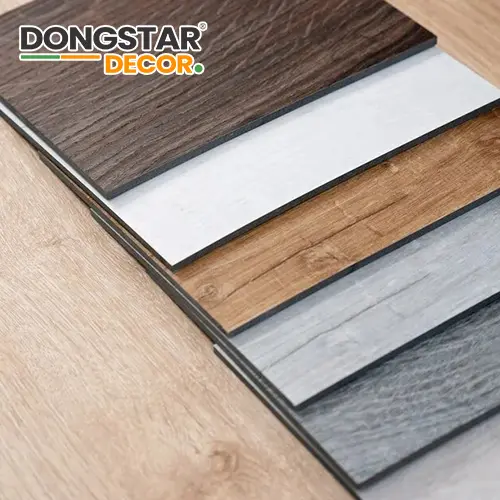
Common SPC Flooring Thickness Options Explained
Here’s what most suppliers offer in 2025:
| Thickness | Best Use Case | Buyer Insight |
|---|---|---|
| 3.5–4mm | Low-traffic residential | Budget-driven projects |
| 4.5–5mm | Standard residential | Most popular choice |
| 5.5–6mm | Residential + light commercial | Best balance |
| 6.5–7mm+ | Commercial / high traffic | Premium performance |
Most projects fall into the 4.5mm–6mm range, which balances cost and durability.
How to Choose SPC Flooring Thickness Based on Project Type
Residential Projects (Apartments, Villas)
Recommended:
- 4mm–5mm
- Wear layer: ≥0.3mm
Why:
- Cost-sensitive
- Moderate traffic
- Faster installation
deal for developers aiming to control budget without sacrificing quality
Commercial Projects (Retail, Offices, Hotels)
Recommended:
- 5mm–7mm
- Wear layer: ≥0.5mm
Why:
- Heavy foot traffic
- Higher durability expectations
- Longer lifecycle required
Thicker SPC reduces replacement frequency and maintenance cost
Renovation Projects (Uneven Subfloors)
Recommended:
- 5.5mm+ or with underlay
Why:
- Better tolerance for imperfect surfaces
- Reduces leveling costs
Real-world tip from installers:
Thicker flooring helps “hide” minor subfloor issues and speeds up installation.
Key Factors Project Buyers Must Consider (Not Just Thickness)
1. Wear Layer Thickness Matters More Than You Think
- 0.3mm → Residential
- 0.5mm+ → Commercial
A thinner board with a strong wear layer can outperform a thicker one with poor protection.
2. Subfloor Condition Can Change Everything
If the subfloor is uneven:
- Thin SPC → higher failure risk
- Thick SPC → better stability
Industry insight: installation quality often matters more than specs.
3. Cost vs Performance Trade-Off
Thicker SPC = higher cost, but:
- Lower maintenance
- Longer lifespan
- Better customer satisfaction
Smart buyers optimize total lifecycle cost, not just unit price.
4. Acoustic Requirements (Critical for Multi-Family Projects)
Thicker SPC or attached underlay:
- Reduces noise transmission
- Meets building regulations
5. Climate & Environment
SPC Flooring performs well in humidity, but:
- Thicker core = better stability
- Ideal for tropical or fluctuating climates
Does Thicker SPC Flooring Always Mean Better Quality?
Short answer: No.
Many buyers overpay for thickness that doesn’t deliver real value.
What actually matters:
- Core density
- Locking system quality
- Wear layer durability
Thickness mainly improves:
- Comfort
- Sound insulation
- Installation tolerance
Latest Market Trends (2025–2026 Buyer Insights)
Recent procurement trends show:
- Growing demand for 5mm–6mm SPC Flooring
- Increased preference for attached underlayment
- Focus shifting from thickness → performance specs
According to industry data, buyers are now prioritizing:
- Durability
- Installation efficiency
- Total cost of ownership
Pro Tips from Real Installers (What Google Doesn’t Tell You)
From contractor discussions:
“Subfloor prep matters more than thickness.”
“6mm is the safe zone for most projects.”
“Thin SPC fails faster if installation isn’t perfect.”
Translation for buyers:
- Don’t rely on thickness alone
- Invest in proper installation + quality materials
SPC Flooring Thickness Selection Checklist (Quick Guide)
Before finalizing your order, ask:
- What is the traffic level?
- Is the subfloor perfectly level?
- What is the project budget?
- Are there acoustic requirements?
- Residential or commercial use?
FAQs About SPC Flooring Thickness
1. What is the best thickness for SPC Flooring?
For most projects, 4.5mm–6mm offers the best balance of cost and durability.
2. Is 4mm SPC Flooring too thin?
Not necessarily—it works for low-traffic residential areas but isn’t ideal for commercial use.
3. Is 6mm SPC Flooring good enough for commercial projects?
Yes, it’s widely used for light to medium commercial applications.
4. Does thicker SPC last longer?
Not always—durability depends more on the wear layer and core quality.
5. Should I choose SPC with underlayment?
Yes, especially for apartments or projects requiring sound insulation.
6. What’s more important: thickness or wear layer?
Wear layer is usually more critical for long-term performance.
Conclusion: Choosing the Right SPC Flooring Thickness for Maximum ROI
Choosing the right SPC Flooring thickness isn’t about picking the thickest option—it’s about making a smart, project-based decision.
Final recommendation:
- Residential → 4.5–5mm
- Mixed use → 5–6mm
- Commercial → 6mm+
Focus on performance, installation conditions, and lifecycle cost, and you’ll get the best results.