Author name: Dongstardecor

why spc flooring is the best choice for high traffic areas 1
SPC Flooring​

Why SPC Flooring is the Best Choice for High-Traffic Areas

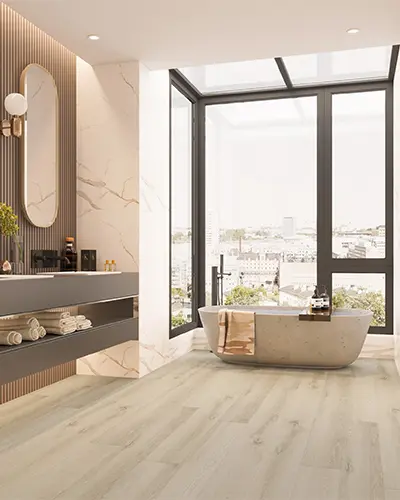
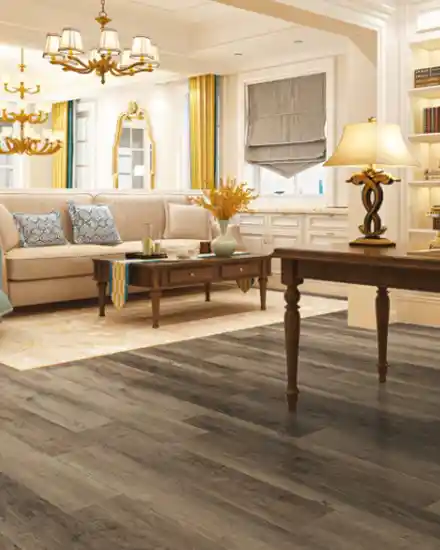
When it comes to flooring that can withstand heavy daily use, SPC (Stone Plastic Composite) flooring stands out as the ultimate solution. Whether it’s a busy household, commercial space, or rental property, SPC flooring offers unbeatable durability, easy maintenance, and stylish appeal.In this blog, we’ll explore what makes SPC flooring the top choice for high-traffic areas, its key benefits, and how it compares to other flooring options. 1. Unmatched Durability for Heavy Foot Traffic SPC flooring is engineered to handle constant wear and tear without showing signs of damage. Its rigid core construction makes it more stable and resistant to impacts than traditional vinyl or laminate flooring.Why SPC Flooring Excels in High-Traffic Zones:1. 100% Waterproof – No warping or swelling, even in kitchens and bathrooms.2. Scratch & Dent Resistant – Perfect for homes with pets, kids, or heavy furniture.3. Stable Under Pressure – Won’t expand or contract with temperature changes.Unlike hardwood or laminate, SPC flooring won’t fade or deteriorate even after years of heavy use. 2. Easy Maintenance & Long-Term Cost Savings One of the biggest advantages of SPC flooring is its low-maintenance nature. Unlike carpets that trap dirt or hardwood that needs refinishing, SPC floors stay looking new with minimal effort.Maintenance Benefits:1. Simple Cleaning – Just sweep and mop with water (no waxing or polishing needed).2. Stain-Resistant – Spills wipe away easily without leaving marks.3. No Refinishing Required – Unlike wood, it maintains its look for decades.Because SPC flooring doesn’t require costly upkeep, it saves money over time compared to other flooring types. 3. Comfort & Style Without Compromise Many people assume durable flooring can’t be stylish or comfortable, but SPC flooring breaks that myth.Aesthetic & Functional Perks:1. Realistic Wood & Stone Looks – Available in various textures and colors.2. Softer Underfoot Than Tile – More comfortable for standing long periods.3. Quieter Than Hard Surfaces – Reduces noise in busy spaces.Whether you want a modern, rustic, or industrial look, SPC flooring offers endless design possibilities while standing up to heavy use. SPC vs. Other Flooring Types: Which is Best for High Traffic? As the table shows, SPC flooring outperforms other options in durability, moisture resistance, and ease of care. If you need long-lasting, beautiful, and hassle-free flooring for high-traffic areas, SPC flooring is the clear winner. It combines strength, style, and simplicity better than any other option on the market.Ready to upgrade your floors? Check out Dongstar Decor’s premium SPC flooring collection for the perfect balance of durability and design!

how acoustic panels can improve your home’s sound quality 1
Acoustic Panel

How Acoustic Panels Can Improve Your Home’s Sound Quality

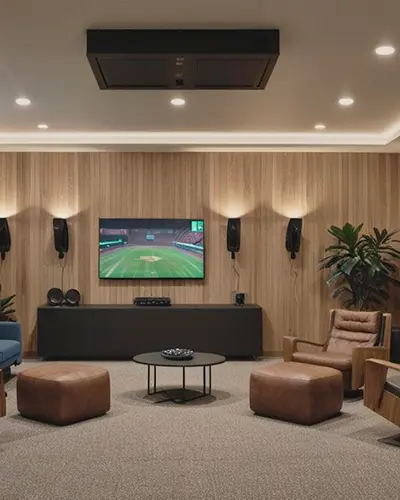
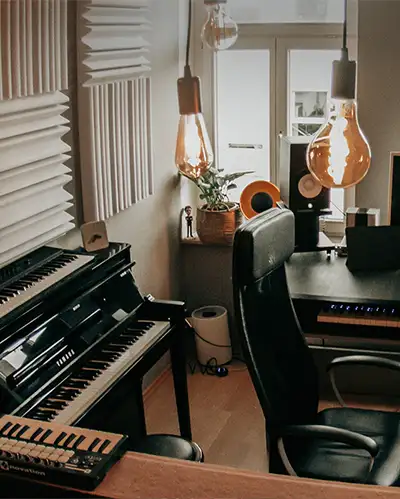
Poor sound quality can ruin the comfort of your home—whether it’s echoes in a large room, noise from outside, or sound leakage between spaces. Acoustic panels offer an effective and stylish solution to enhance sound clarity and reduce unwanted noise.In this blog, we’ll explore how acoustic panels work, their benefits, and where to install them for optimal sound improvement. 1. How Do Acoustic Panels Work? Acoustic panels are designed to absorb sound waves rather than reflect them, reducing echoes and background noise. They are typically made from sound-absorbing materials like foam, fiberglass, or fabric-wrapped mineral wool.Key Functions of Acoustic Panels:1. Absorb mid-to-high frequency sounds (voices, music, TV noise)2. Reduce reverberation (echoes in empty rooms)3. Improve speech clarity (ideal for home offices and theaters)By controlling sound reflections, these panels create a more balanced and pleasant acoustic environment.In this blog, we’ll explore how acoustic panels work, their benefits, and where to install them for optimal sound improvement. 2. Top Benefits of Installing Acoustic Panels at Home Acoustic panels aren’t just for recording studios—they can significantly enhance everyday living spaces. Here’s why you should consider them:A. Better Sound Clarity for Home Theaters & Music RoomsEliminates muddy audio for crisper movie dialogue and music.Prevents sound from bouncing off hard surfaces (like walls and floors).B. Noise Reduction for Home OfficesMinimizes distractions from outside noise.Improves Zoom call audio by reducing echo.C. Enhanced Privacy Between RoomsHelps block sound transfer in apartments or multi-room homes.D. Stylish Home DécorAvailable in custom colors, prints, and shapes to match your interior design. 3. Where to Place Acoustic Panels for Maximum Effect Strategic placement is key to getting the best results. Here are the most effective spots to install acoustic panels:1. Home Theaters & TV RoomsPlace panels on the front and side walls to absorb sound reflections.Add bass traps in corners for deeper sound control.2. Home Offices & Study RoomsInstall panels behind your desk to reduce echo during calls.Use ceiling-mounted panels if the room has high reverberation.3. Bedrooms & Living RoomsPlace panels on large empty walls to soften noise.Use decorative panels as art pieces for a stylish touch.4. Kids’ Rooms & Play AreasHelps dampen loud noises (great for reducing household chaos!). Whether you’re a music lover, remote worker, or movie enthusiast, acoustic panels can dramatically improve your home’s sound quality while adding a modern aesthetic. Ready to upgrade your space? Explore DongstarDecor’s premium acoustic panels for a noise-free, acoustically balanced home!

10 reasons to choose wpc wall panels for your next renovation 1
Blog, WPC Wall Panel

10 Reasons to Choose WPC Wall Panels for Your Next Renovation

When it comes to modern interior and exterior design, WPC (Wood Plastic Composite) wall panels have become a top choice for homeowners, architects, and contractors. Combining durability, aesthetics, and eco-friendliness, WPC panels offer a superior alternative to traditional materials like wood, PVC, or tiles.If you’re planning a renovation, here are 10 compelling reasons why WPC wall panels should be your go-to option. 1. Exceptional Durability & Longevity Unlike traditional wood, WPC wall panels are resistant to moisture, termites, and rotting—making them ideal for humid environments like bathrooms and kitchens. They don’t warp, crack, or fade easily, ensuring long-term performance even in high-traffic areas.Weather-resistant – Perfect for both indoor and outdoor use.No decay or fungal growth – Unlike natural wood.UV-stabilized – Retains color and texture for years. 2. Low Maintenance & Easy to Clean One of the biggest advantages of WPC panels is their hassle-free maintenance. Unlike wood, which requires regular polishing and sealing, WPC panels only need a simple wipe-down with a damp cloth to stay looking new.Stain-resistant – No need for harsh chemicals.No painting or sealing required – Saves time and money.Ideal for busy households – Great for families with kids and pets.Weather-resistant – Perfect for both indoor and outdoor use.No decay or fungal growth – Unlike natural wood.UV-stabilized – Retains color and texture for years. 3. Eco-Friendly & Sustainable Choice WPC panels are made from recycled wood fibers and plastic, reducing the demand for virgin timber and minimizing environmental impact. They are a sustainable alternative to traditional wood panels, helping you contribute to a greener planet.Reduces deforestation – Uses recycled materials.Non-toxic & safe – No harmful chemicals like formaldehyde.Recyclable – Can be repurposed at the end of its lifecycle. 4. Aesthetic Appeal & Versatile Designs WPC panels come in a wide range of colors, textures, and finishes, mimicking natural wood, stone, or modern minimalist styles. Whether you want a rustic look or a contemporary vibe, there’s a WPC panel design to match your taste.Wood-like finishes – Without the drawbacks of real wood.Customizable options – Available in various patterns.Seamless installation – Creates a sleek, uniform appearance. 5. Easy & Quick Installation WPC wall panels feature interlocking systems or tongue-and-groove designs, allowing for fast and straightforward installation. This reduces labor costs and renovation time compared to traditional tiling or wood paneling.DIY-friendly – Can be installed without professional help.No heavy tools required – Lightweight and easy to handle.Minimal wastage – Pre-cut panels reduce excess material. 6. Cost-Effective in the Long Run While the initial cost of WPC panels may be slightly higher than some alternatives, their durability and low maintenance make them a cost-effective choice over time. You’ll save money on repairs, repainting, and replacements.Long lifespan – Outlasts wood and PVC.No recurring maintenance costs – Unlike natural wood.Adds property value – Enhances resale appeal.DIY-friendly – Can be installed without professional help.No heavy tools required – Lightweight and easy to handle.Minimal wastage – Pre-cut panels reduce excess material. 7. Fire-Resistant & Safe Many WPC panels are fire-retardant, making them a safer option for homes and commercial spaces. They resist ignition and slow down flame spread, providing an extra layer of safety.Self-extinguishing properties – Reduces fire hazards.Complies with safety standards – Ideal for buildings and offices. 8. Excellent Thermal & Sound Insulation WPC panels provide natural insulation, helping to regulate indoor temperatures and reduce noise pollution. This makes them perfect for homes, offices, and studios.Energy-efficient – Helps lower heating/cooling costs.Sound-absorbing – Reduces echo and outside noise. 9. Lightweight Yet Sturdy Unlike heavy stone or ceramic tiles, WPC panels are lightweight, reducing structural stress on walls. Despite their lightness, they are strong and impact-resistant.Easier to transport & install – No heavy lifting needed.Durable under pressure – Resists dents and scratches. 10. Ideal for Both Interior & Exterior Use Whether you’re renovating your living room, bathroom, balcony, or façade, WPC panels adapt seamlessly to different environments.Waterproof options – Great for outdoor cladding.UV-resistant varieties – Prevents sun damage. WPC wall panels offer a perfect blend of beauty, durability, and sustainability, making them an excellent choice for modern renovations. Whether you’re upgrading your home or a commercial space, these panels provide long-lasting value with minimal upkeep.Ready to transform your space? Explore Dongstar Decor’s premium WPC wall panel collection today!

Akupanel Acoustic Panel
Acoustic Panel

What are the installation procedures and methods of Acoustic Panel?

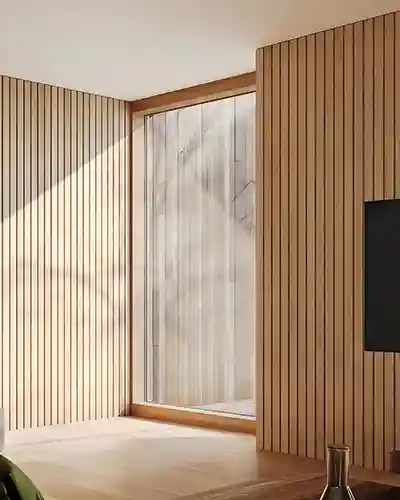
Acoustic panels are essential for improving indoor sound quality, reducing echo, and minimizing noise pollution in spaces like home theaters, offices, classrooms, conference rooms, music studios, and restaurants. Proper installation is critical for maximizing their performance. Key Preparation Before Installation 1. Acoustic Assessment Evaluate the room’s size, shape, and sound behavior.Identify primary reflection points, corners, and walls where sound echoes. 2. Material & Tools Checklist Materials:Acoustic panels (PET, foam, wood slat, fabric-wrapped, etc.)Adhesives or mounting bracketsOptional: acoustic sealantTools:Measuring tape,Level,Pencil or chalk,Drill and screws (if wall-mounting),Utility knife (for trimming if needed) Installation Methods Based on Panel Type 1. Adhesive Mounting (Glue Method) Best For: Lightweight foam or polyester fiber panelsSteps:Clean the surface (dust-free and dry).Apply strong adhesive glue or double-sided tape to the panel’s back.Press the panel onto the wall and hold for 30 seconds.Use a level to ensure alignment.Pros: Quick, DIY-friendlyCons: Difficult to remove later, may damage paint 2. Z-Clip or Hook-and-Loop Fasteners Best For: Fabric-wrapped or wood acoustic panelsSteps:Attach one side of the clip or fastener to the wall with screws.Attach the matching clip on the panel’s back.Align and press the panel into place.Pros: Removable, secure holdCons: Requires drilling 3. Screw Mounting (Direct Fixing) Best For: Heavier panels like wood slat, Akupanel, or rock wool core panelsSteps:Mark drill holes on the wall using the panel as a template.Drill holes and install wall plugs (if necessary).Screw the panel into place.Use decorative caps to cover screw heads.Pros: Very secureCons: Permanent, requires precision 4. Standalone Acoustic Frames (Freestanding) Best For: Temporary setups or rental spacesSteps:Insert acoustic panel into a pre-made metal or wooden frame.Place the frame in the desired location.Pros: No wall damage, movableCons: Occupies floor space 5. Ceiling Suspension or Grid Installation Best For: Hanging ceiling clouds or bafflesSteps:Install ceiling hooks or grid suspension system.Attach wires or hanging hardware to panels.Adjust the height and spacing.Pros: Reduces vertical echoCons: Requires ladder and ceiling drilling Panel Placement Strategy: Acoustic Optimization Home Theater: First reflection points, ceiling, rear wallOffice: Behind desks, meeting cornersMusic Studio: Behind monitors, side walls, bass traps in cornersClassroom: Rear wall, side walls, ceilingConference Room: Front and side walls, ceilingRestaurant: Ceilings and side walls for echo control Step-by-Step Installation Procedure (Standard Wall Mount) 1.Measure & Plan:Mark the wall layout using a tape measure and level.Space panels evenly with 1–2 inches of gap (if required).2.Panel Prep:Unpack panels 24 hours before to acclimatize.Inspect for damage or deformation.3. Mounting:Use your selected method (adhesive, screw, clip, or frame).Align panels using a level and press firmly.4.Finishing Touches:Seal edges with acoustic caulk (optional).Clean surfaces with a dry cloth.Stagger panel rows for a visually balanced and more effective sound diffusion:Leave a 1-inch air gap behind panels for enhanced bass absorption (optional).Combine vertical and horizontal placement for broader frequency coverage.Don’t cover electrical outlets—cut out holes neatly using a utility knife.Ensure symmetry in placement, especially in music and mixing rooms. Maintenance After Installation Vacuum gently with a brush attachment every 2–3 months.Spot clean with mild detergent and water if stained.Check for loose edges and reapply adhesive or screws if needed. Installing acoustic panels correctly is a blend of art and science. It improves not only the sound quality of a room but also its aesthetic appeal. Whether you’re a DIY enthusiast or hiring a professional, following the right method ensures long-lasting performance and soundproofing comfort.

Commercial Use​ of WPC Wall Panel
WPC Wall Panel

What are the installation procedures and methods of Interior WPC Wall Panel?

Installing Interior WPC (Wood Plastic Composite) Wall Panels is a straightforward process, making them an excellent choice for home and commercial interior décor. Here’s a step-by-step guide to ensure proper installation: Tools & Materials Required: WPC wall panels,Measuring tape,Level,Marker or pencil,Electric drill & screws,Wall plugs (if needed),Adhesive or glue (optional),Nail gun (if required),Cutting saw or utility knife,Aluminum or PVC trims (for edges/corners) Step-by-Step Installation Guide: Step 1: Surface Preparation Ensure the wall surface is clean, dry, and smooth.If installing over an uneven surface, consider using wooden battens or furring strips for support. Step 2: Measuring & Cutting Use a measuring tape to mark the dimensions of the wall.Cut the WPC panels to the required size using a cutting saw.Leave a 5-10mm expansion gap around the edges for thermal expansion. Step 3: Fixing the Battens (If Needed) If installing on an uneven wall, fix wooden or aluminum battens vertically at 400mm to 600mm spacing.Secure the battens with screws and wall plugs. Step 4: Installing the First Panel Start from one corner and align the first panel properly.Secure the panel using one of the following methods:Adhesive/Glue Method: Apply high-strength construction adhesive to the back of the panel and press it firmly onto the wall.Nail Gun or Screw Fixing: Drill pilot holes and screw the panels into the battens or directly onto the wall. Step 5: Installing Subsequent Panels Interlocking System: Most WPC panels come with a tongue-and-groove interlocking system. Insert the next panel into the groove of the first panel for a seamless fit.Continue fixing each panel using adhesive or screws. Step 6: Edge & Corner Finishing Use L-trims, U-trims, or corner profiles to give the panel edges a neat finish.Secure trims with adhesive or nails. Step 7: Final Checks & Cleaning Ensure all panels are properly aligned.Wipe off any excess adhesive and clean the panels with a damp cloth. Tips for a Perfect Installation: Always use a level to ensure straight alignment.Leave a gap for expansion to prevent warping.Use moisture-resistant adhesives in high-humidity areas.For ceilings, use lightweight panels and ensure strong fixing.Consider professional installation for large areas or complex designs. Following these steps, your Interior WPC Wall Panels will be installed efficiently and securely, giving a modern and stylish finish to your space!

What are the Indoor Applications and Selection Techniques of PS Wall Panel-1
Blog, PS Wall Panel​

What are the Indoor Applications and Selection Techniques of PS Wall Panel?

PS (Polystyrene) wall panels are lightweight, stylish, and highly durable decorative panels made from high-density polystyrene foam. These panels are used in residential and commercial interiors as an alternative to wood, marble, and stone wall coverings due to their waterproof, fire-resistant, and cost-effective properties.PS wall panels are easy to install, making them a popular choice for home renovations, office interiors, and retail spaces. Indoor Applications of PS Wall Panels 1.Living Room & TV Accent Walls Enhances aesthetic appeal with realistic wood, stone, or marble finishes.Commonly used as TV backdrops or feature walls to create a modern, elegant look.Scratch-resistant and durable, ensuring long-lasting beauty. 2.Kitchen Backsplash & Countertops Waterproof and stain-resistant, perfect for kitchen backsplashes and cabinet laminates.Easy to clean and maintain, resisting oil, grease, and food stains.Available in various textures like wood grain, marble, and glossy finishes. 3.Bathroom Walls & Ceilings 100% waterproof and moisture-resistant, preventing mold and mildew growth.Suitable for shower walls, vanity areas, and bathroom ceilings.Alternative to tiles, offering a seamless, grout-free finish. 4.Offices & Corporate Spaces Adds a luxurious touch to office reception areas, meeting rooms, and workspaces.Provides sound insulation, reducing echoes and background noise.Ideal for modern office interiors due to its scratch-resistant surface. 5.Retail Stores & Showrooms Enhances shop interiors with elegant stone or wood-look wall cladding.Durable and impact-resistant, suitable for high-traffic areas.Adds aesthetic appeal to display areas, feature walls, and partitions. 6.Hotels & Restaurants Used for lobby walls, dining spaces, and decorative ceilings.Fire-resistant and waterproof, ensuring safety and durability in commercial settings.Easy maintenance, requiring only a wipe-clean surface. 7.Home Theaters & Entertainment Rooms Improves acoustic insulation, reducing unwanted noise and echo.Enhances luxury and ambiance with 3D decorative textures.Can be used on walls and ceilings for a stylish, immersive experience. 8.Bedroom Headboards & Decorative Panels Creates a cozy, stylish backdrop for beds and nightstands.Offers various textures, including wood, leather, and marble-effect panels.Soft-touch and scratch-resistant surfaces provide durability and comfort. 9.Furniture Lamination & Cabinet Covering Can be applied to wardrobes, cabinets, and modular furniture.Enhances existing furniture with elegant wood or stone finishes.More affordable than solid wood or stone laminates. 10.Hallways & Staircase Walls Adds depth and visual interest to long corridors and staircase walls.Lightweight and impact-resistant, making it ideal for frequently used areas.UV-resistant coating prevents fading over time. Selection Techniques for PS Wall Panels 1.Choose the Right Texture & Design For modern interiors → Opt for sleek, glossy, or minimalist textures.For classic/rustic interiors → Choose wood grain or brick textures.For luxury settings → Select marble, leather, or stone-textured panels. 2.Select the Best Panel Thickness Standard thickness: 5mm – 10mm.For wall cladding & ceilings → Use 5mm – 7mm panels.For high-traffic areas (hotels, offices, retail stores) → Choose 8mm – 10mm panels for durability. 3.Pick the Right Panel Size Standard panel size: 1220mm x 2440mm.For large walls, select big panels to reduce joints and seams. 4.Consider Fire & Heat Resistance Ensure the panel is fire-retardant, especially for kitchens, restaurants, and offices.Look for certified fire-resistant materials for added safety. 5.Check Waterproof & Moisture Resistance If using in bathrooms or kitchens, select fully waterproof panels.Mold-resistant and easy to clean, ensuring hygienic interiors. 6.Select the Installation Method Adhesive Installation → Best for interior walls and ceilings.Nail Fixing → Ensures strong attachment for long-term use.Interlocking Panels → Ideal for seamless, gap-free installations. 7.Choose UV-Resistant Panels If panels will be exposed to sunlight, ensure UV protection to prevent fading and discoloration. 8.Budget & Cost Considerations Compare pricing with natural materials (wood, stone, marble).Balance cost with durability and design.Choose high-quality brands for long-lasting performance. Comparison: Choosing the Right PS Wall Panel Based on Use Application Recommended Thickness Best Finish Installation Method Living Rooms & Accent Walls 5mm – 8mm Wood or Marble Texture Adhesive Kitchen Backsplash 7mm – 10mm Glossy, Stain-Resistant Adhesive or Nail Fixing Bathrooms & Showers 5mm – 7mm Waterproof, Matte Adhesive Office Interiors 7mm – 10mm Textured Stone or Wood Nail Fixing Retail Stores & Hotels 8mm – 10mm Glossy or Rustic Finish Nail Fixing Furniture Lamination 5mm – 7mm Textured or Smooth Adhesive PS wall panels offer aesthetic beauty, durability, and cost-effectiveness, making them ideal for homes, offices, and commercial spaces. Their easy installation, waterproof nature, and fire resistance make them a versatile choice for modern interiors.Need help selecting the best PS wall panel for your project? Let me know!

What are the Advantages and Characteristics of PS Wall Panel-1
Blog, PS Wall Panel​

What are the Advantages and Characteristics of PS Wall Panel?

PS (Polystyrene) wall panels are lightweight, durable, and eco-friendly decorative panels used for interior wall cladding, ceilings, and furniture laminates. These panels are made from high-density polystyrene foam, providing waterproof, fire-resistant, and scratch-resistant properties.PS wall panels offer a modern, stylish, and cost-effective alternative to natural wood, stone, and PVC panels, making them ideal for homes, offices, retail spaces, and hospitality interiors. Advantages of PS Wall Panels 1.Lightweight & Easy to Install Much lighter than wood, ceramic tiles, and PVC panels, reducing structural load.Can be installed using adhesive or nails, making it DIY-friendly.No need for special tools or skilled labor, saving on installation costs. 2.Realistic Stone & Wood Texture High-definition printing and 3D textures replicate wood, marble, and stone finishes.Available in matte, glossy, and embossed finishes to match different interior styles.Adds depth and luxury to walls without the high cost of natural materials. 3.100% Waterproof & Moisture-Resistant Made from non-porous polystyrene, preventing water absorption.Mold-resistant and anti-fungal, making it ideal for bathrooms and kitchens.Perfect for high-humidity environments like basements and laundry rooms. 4.Fire & Heat Resistant Contains fire-retardant additives, ensuring safety for indoor applications.Suitable for fireplace surrounds, commercial buildings, and hospitality interiors.Available in matte, glossy, and embossed finishes to match different interior styles.Adds depth and luxury to walls without the high cost of natural materials. 5.Scratch & Impact Resistant More durable than PVC panels and resistant to scratches, dents, and daily wear.Ideal for high-traffic areas in homes, offices, and shopping malls. 6.Sound & Thermal Insulation Provides soundproofing, reducing noise in homes and workspaces.Offers thermal insulation, keeping interiors energy efficient. 7.UV Resistant & Long-Lasting UV-coated surface prevents fading and discoloration over time.Suitable for areas exposed to sunlight, such as living rooms and offices. 8.Cost-Effective & Low Maintenance Affordable alternative to wood, marble, or stone wall cladding.Requires minimal cleaning and maintenance—just wipe with a damp cloth.Long lifespan without the need for frequent replacements. 9.Eco-Friendly & Non-Toxic Made from recyclable polystyrene, reducing environmental impact.Low VOC emissions, ensuring better indoor air quality. 10.Versatile Applications Used for walls, ceilings, furniture laminates, and decorative partitions.Ideal for homes, offices, restaurants, hotels, and commercial spaces. Characteristics of PS Wall Panels 1.Material Composition Polystyrene Foam (PS) – Provides lightweight strength and insulation.Decorative Film Layer – Printed designs mimic wood, marble, and stone textures.Protective UV Coating – Prevents scratches, stains, and discoloration. 2.Available Sizes & Thickness Standard thickness: 5mm – 10mm.Common sizes: 1220mm x 2440mm (custom sizes available). 3.Design & Finish Options Wood Grain – Imitates natural wooden planks.Marble Finish – Replicates luxurious stone surfaces.Matte or Glossy Surface – Offers modern and contemporary styles. 4.Strength & Flexibility More flexible than PVC or wood panels, making it easy to cut and shape.Shock-resistant, preventing cracks and damage. 5.Temperature & Weather Resistance Stable in extreme temperatures from -10°C to 80°C.Resistant to moisture, humidity, and mild chemical exposure. 6.Installation Methods Adhesive Fixing – Best for interior walls and ceilings.Nail Installation – Provides extra durability for long-term use.Interlocking Panels – Allows seamless, gap-free installation. PS wall panels are a modern, stylish, and cost-effective alternative to wood, marble, and stone wall coverings. They offer durability, waterproofing, and easy installation, making them perfect for homes, offices, hotels, and commercial interiors.Need help selecting the best PS wall panel for your space? Let me know!

What is PS Wall Panel-1
Blog, PS Wall Panel​

What is PS Wall Panel?

A PS (Polystyrene) wall panel is a lightweight, durable, and eco-friendly wall covering made from high-density polystyrene foam. These panels are designed to replicate natural materials like wood, stone, and marble while offering water resistance, fire resistance, and easy installation.PS wall panels are commonly used in residential, commercial, and hospitality interiors for decorative wall cladding, ceilings, and furniture laminates. They provide a modern, stylish, and budget-friendly alternative to traditional wall coverings. Structure of a PS Wall Panel PS wall panels are engineered for durability and aesthetics, consisting of multiple layers:1.Protective Coating: Prevents scratches, stains, and discoloration.2.Decorative Film Layer: Printed design replicating wood, stone, or marble.3.High-Density PS Foam Core:Provides strength, insulation, and lightweight durability. Comparison: PS Wall Panels vs. PVC Panels vs. Wood Panels Feature PS Wall Panels PVC Wall Panels Wood Panels Appearance Realistic Stone/Wood Look Artificial Look Natural Look Weight Lightweight Lightweight Heavy Waterproof Yes Yes No Fire Resistance Yes No No Durability High Moderate High Installation Easy Easy Difficult Eco-Friendly Yes No Yes Cost Affordable Affordable Expensive FAQs About PS Wall Panels 1.Are PS wall panels better than PVC wall panels? Yes! PS wall panels offer better aesthetics, durability, and eco-friendliness compared to PVC panels, which may look artificial and degrade over time. 2.Can PS wall panels be used in bathrooms and kitchens? Yes! They are 100% waterproof, mold-resistant, and easy to clean, making them ideal for kitchens, bathrooms, and wet areas. 3.How do you install PS wall panels? They can be installed using adhesive, screws, or interlocking systems for quick and easy setup. 4.Are PS wall panels heat-resistant? Yes! They are heat-resistant, but should not be exposed to direct flames or extreme heat sources. 5.Do PS wall panels fade over time? No! They have UV protection, preventing fading and discoloration. 6.Can PS wall panels be painted? It is not recommended to paint them, as it may affect the protective coating. PS wall panels are a versatile, durable, and cost-effective alternative to wood, PVC, and ceramic wall coverings. Whether for homes, offices, or commercial interiors, they provide a stylish, waterproof, and easy-to-install solution.Need help selecting the best PS wall panel for your space? Let me know!

What are the Indoor Applications and Selection Techniques of PU Stone Panel-1
Blog, PU Stone Panel​

What are the Indoor Applications and Selection Techniques of PU Stone Panel?

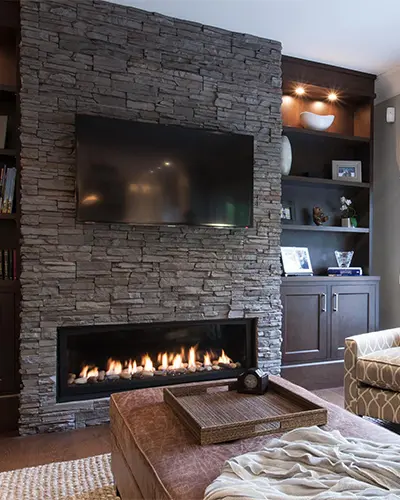
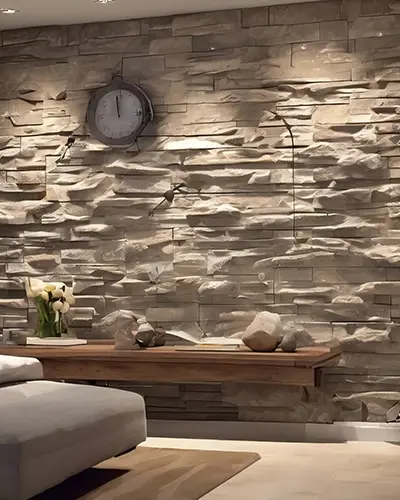
PU (Polyurethane) stone panels are lightweight, durable, and realistic stone-like wall panels that replicate natural stone, brick, or concrete textures. These panels offer easy installation, weather resistance, and cost savings, making them ideal for residential and commercial interiors. Indoor Applications of PU Stone Panels 1.Living Room & TV Accent Walls Enhances aesthetic appeal with a natural stone look.Used for TV backdrops, feature walls, and decorative partitions.Creates a cozy, rustic, or modern ambiance. 2.Kitchen Backsplash & Countertops Waterproof, stain-resistant, and heat-resistant, making it ideal for kitchen walls and backsplashes.Easy to clean and maintain compared to real stone or tiles.Adds a sleek, modern touch to kitchen decor. 3.Bathroom Walls & Shower Panels 100% waterproof and mold-resistant, making it perfect for bathroom walls and vanity areas.Works well as a stylish alternative to tiles.Prevents moisture buildup and mold growth. 4.Ceilings & Decorative Panels Can be used to create textured ceilings in homes, hotels, and offices.Lightweight material ensures easy installation without structural concerns. 5.Offices & Conference Rooms Adds a professional and elegant look to office spaces.Used in boardrooms, reception areas, and meeting rooms.Helps in sound insulation, reducing noise in workspaces. 6.Retail Stores & Showrooms Enhances visual appeal in boutiques, showrooms, and malls.Provides a luxurious or industrial look, depending on the design.Scratch-resistant and durable, ideal for high-traffic areas. 7.Hotels & Restaurants Used in hotel lobbies, dining spaces, and bar areas.Enhances wall decor, partitions, and counter spaces.Fire-resistant and easy to clean, making it suitable for commercial use. 8.Fireplace Surrounds & Feature Walls PU stone panels are heat-resistant, making them perfect for fireplace backdrops.Offers a rustic, elegant, or modern stone effect.Lighter and easier to install than natural stone or tiles. 9.Hallways & Staircase Walls Adds depth and character to hallways and staircase walls.Scratch-resistant surface ensures long-lasting durability.Blends well with wood, glass, or modern interior elements. 10.Home Theaters & Entertainment Rooms Provides soundproofing and insulation, improving acoustics.Creates a stylish and immersive environment for movie or music rooms. Selection Techniques for PU Stone Panels 1.Choose the Right Texture & Design For modern interiors → Opt for slate, concrete, or minimalist textures.For classic interiors → Choose brick or stacked stone panels.For luxury settings → Select marble-textured PU stone panels. 2.Consider the Panel Thickness Standard thickness: 15mm – 50mm.For living rooms & offices → Use 15mm – 30mm panels.For fireplace surrounds & exterior walls → Opt for thicker (30mm – 50mm) panels for durability. 3.Select the Appropriate Panel Size Standard sizes: 1200mm x 600mm or custom sizes available.Measure the wall area accurately to reduce material waste. 4.Verify Fire & Heat Resistance Ensure the panel is fire-retardant for safety in kitchens and near fireplaces.Look for panels with certified fire resistance ratings. 5.Check for Waterproof & Moisture Resistance If using in bathrooms or kitchens, select 100% waterproof panels.Look for mold-resistant and anti-fungal properties. 6.Select the Installation Method Adhesive Fixing → Best for indoor walls and ceilings.Screw Installation → Ensures extra durability for long-term use.Interlocking Panels → Allows seamless, gap-free installation. 7.Opt for UV-Resistant Panels If the panels will be exposed to sunlight, choose UV-protected panels.Prevents fading and discoloration over time. 8.Consider Budget & Cost Compare pricing with natural stone, ceramic tiles, and PVC wall panels.Balance cost with durability and aesthetic value.Choose a trusted brand for high-quality materials. Comparison: Choosing the Right PU Stone Panel Based on Use Application Recommended Thickness Best Finish Installation Method Living Rooms & Walls 15mm – 30mm Stone or Brick Texture Adhesive Kitchen Backsplash 20mm – 40mm Glossy or Textured Adhesive or Screw Bathrooms & Showers 15mm – 30mm Waterproof, Matte Adhesive Fireplace Surrounds 30mm – 50mm Fire-Resistant Finish Screw Fixing Retail Stores & Hotels 20mm – 40mm Glossy or Rustic Stone Adhesive Furniture Laminates 15mm – 25mm Textured Stone Look Adhesive PU stone panels are a versatile, durable, and cost-effective alternative to natural stone. Whether you need them for living rooms, kitchens, bathrooms, offices, or commercial spaces, they offer style, insulation, and long-term durability.Need help selecting the perfect PU stone panel? Let me know!

What are the Advantages and Characteristics of PU Stone Panel-1
Blog, PU Stone Panel​

What are the Advantages and Characteristics of PU Stone Panel?

PU stone panels are lightweight, durable, and realistic stone-like wall panels made from polyurethane (PU) material. These panels replicate natural stone, brick, and concrete textures while offering easy installation, weather resistance, and cost savings.PU stone panels are widely used in residential and commercial spaces as a modern alternative to natural stone cladding, providing both aesthetic appeal and functional benefits. Advantages of PU Stone Panels 1.Lightweight & Easy to Install Weighs much less than natural stone, reducing structural load.Can be installed using adhesive, screws, or interlocking systems.No need for heavy masonry work, special tools, or skilled labor. 2.Realistic Stone Appearance Uses high-definition molds to replicate stone, brick, slate, and wood textures.Available in various colors and finishes to match different interiors.Looks identical to natural stone but is easier to maintain. 3.100% Waterproof & Moisture Resistant Made from non-porous PU material, preventing water absorption.Ideal for bathrooms, kitchens, outdoor facades, and humid environments.Resistant to mold, mildew, and warping over time. 4.Fire & Heat Resistant Built with fire-retardant additives, ensuring safety for interior use.Suitable for fireplace surrounds, wall panels, and commercial spaces. 5.Weatherproof & UV Resistant UV coating prevents fading and discoloration due to sun exposure.Withstands rain, humidity, and extreme temperature changes.Perfect for exterior walls, garden features, and outdoor applications. 6.Impact & Scratch Resistant More durable than PVC panels and less brittle than natural stone.Resists scratches, dents, and daily wear, making it long-lasting. 7.Thermal & Sound Insulation Acts as an insulator, reducing heat loss and indoor temperature fluctuations.Provides soundproofing, helping to reduce noise in homes and offices. 8.Cost-Effective Alternative to Natural Stone More affordable than real stone, marble, or brick cladding.Saves on material, transportation, and labor costs.Requires minimal maintenance, reducing long-term expenses. 9.Eco-Friendly & Non-Toxic Made from recyclable, non-toxic materials with low VOC emissions.Safe for indoor air quality, making it ideal for homes and offices. 10.Versatile Applications Used for walls, ceilings, facades, furniture, and decorative panels.Suitable for residential, commercial, hospitality, and retail spaces. Characteristics of PU Stone Panels 1. Material Composition Used for walls, ceilings, facades, furniture, and decorative panels.Polyurethane Foam (PU) – Provides lightweight durability and flexibility.UV Coating – Protects against fading, discoloration, and environmental damage.Fire-Retardant Layer – Ensures fire safety in residential and commercial spaces. 2. Available Sizes & Thickness Used for walls, ceilings, facades, furniture, and decorative panels.Polyurethane Foam (PU) – Provides lightweight durability and flexibility.UV Coating – Protects against fading, discoloration, and environmental damage.Fire-Retardant Layer – Ensures fire safety in residential and commercial spaces. 3. Design & Finish Options Stone Textures – Replicates granite, sandstone, marble, or brick.Glossy or Matte Finishes – Provides modern or rustic aesthetics.Customizable Colors – Matches different interior styles. 4.Strength & Flexibility Shock-resistant and impact-absorbent, making it more durable than PVC panels.Flexible enough to be cut and shaped for curved surfaces. 5.Temperature & Weather Resistance Stable in extreme temperatures from -20°C to 80°C.Resistant to moisture, humidity, and corrosion. 6.Installation Methods Adhesive Fixing – Suitable for interior walls and ceilings.Screw Installation – Provides extra durability for outdoor use.Interlocking Panels – Allows seamless, gap-free installation. PU stone panels offer a modern, cost-effective, and easy-to-install alternative to natural stone. They provide aesthetic appeal, durability, and weather resistance, making them perfect for homes, offices, and commercial interiors and exteriors.Need help selecting the best PU stone panels for your project? Let me know!

Scroll to Top