
Choosing where to put Akupanel Acoustic Panels isn’t just about sticking them on walls. Whether you’re improving speech clarity in a corporate office, reducing echo in a recording studio, or enhancing sound quality in a home theater, correct placement makes all the difference. This guide walks you through practical placement strategies used by acoustic professionals — with real projects in mind.
Understand the Room’s Acoustic Goals
Before placing panels, define your primary goal:
- Reduce reverberation
- Control flutter echo
- Improve speech intelligibility
- Balance sound energy
Every room has different priorities. A conference room needs clear dialogue, while a music room might need more balanced frequency control.
Tip: Refer to basic room acoustics principles to understand how sound behaves in enclosed spaces.
Start with Early Reflection Points
Reflection points are the first spots where sound bounces off a surface after leaving the source. These play a major role in listener perception.
Where are early reflection points?
- Side walls opposite the speaker or performer
- Ceiling above the listening area
- Floor reflections (often controlled with rugs)
Identifying these spots and placing panels there ensures early echoes are tamed before they reach the listener.
Target Parallel Surfaces
Parallel walls can trap sound and create standing waves. Panels on these surfaces help minimize build-up of unwanted reflections.
- Place tall panels on long walls
- Choose mid-high frequency absorbing panels for speech, extended panels for low-mid control
For large rooms, pairing wall panels with ceiling clouds can significantly improve overall acoustic response.
Ceiling Panels for Open Spaces
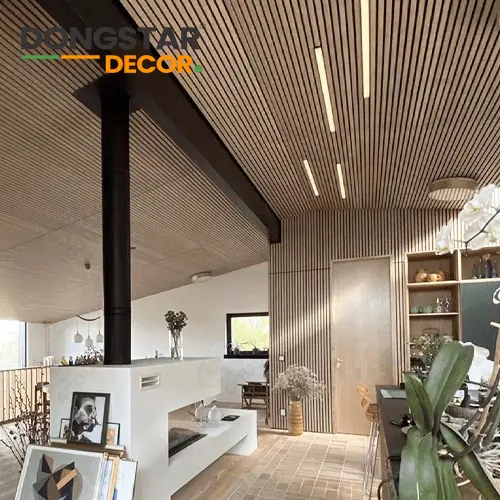
In project sites like auditoriums or open offices where walls are far apart, ceilings often carry the brunt of acoustic issues.
Ceiling Panels Work Well When:
- The room has high ceilings
- Echoes are most noticeable overhead
- Wall space is limited
Suspended Akupanel panels create absorption without taking up valuable wall real estate.
Corners: Bass Traps and Low-End Control
Low frequency energy accumulates in room corners — especially in smaller or square spaces. Adding panels near corners acts like bass traps and smooths out boominess.
Use thicker or layered panels in corners for best effect.
Behind and Around Sound Sources
If you install panels in a recording or broadcasting environment:
- Place treatment behind speakers
- Add panels on side walls surrounding the mix position
- Consider symmetrical placement to preserve stereo imaging
Proper positioning prevents comb filtering and keeps the sound natural.
Practical Installation Sequence
For large project deployments, follow this workflow:
- Survey room and identify major reflective surfaces
- Map early reflection points using mirror or visual aids
- Install primary wall panels first
- Add ceiling clouds where needed
- Address low frequency nodes with corners and thick panels
This staged approach helps measure improvements and optimize investment.
Maintenance & Aesthetics
Akupanel Acoustic Panels are not only functional — they can be part of architectural design.
- Choose finishes that match interior themes
- Regularly clean fabric surfaces to maintain performance
- Avoid covering panels with décor that blocks sound absorption
Good aesthetics boosts client satisfaction, especially in project environments.
Final Thoughts
Knowing where to put Akupanel Acoustic Panels elevates both performance and user experience. Whether your focus is speech clarity, music quality, or general noise reduction, systematic placement yields measurable results. Use these placement strategies as a starting point, adapt to your unique space, and don’t hesitate to consult acoustic pros for complex projects.