Table of Contents
Choosing the right Acoustic Panels can feel overwhelming, especially when every room has different sound challenges. Whether you’re setting up a home office, building a studio, or simply trying to reduce echo in your living room, knowing what to look for makes all the difference. This guide breaks everything down in a simple, human-friendly way so you can confidently choose panels that truly improve your space.
Understanding What Acoustic Panels Are
Acoustic panels are sound-absorbing materials designed to reduce reflections, control echo, and improve overall sound quality in a room. They’re commonly made from foam, fiberglass, mineral wool, or wood, and wrapped in fabric or decorative finishes. Even though they look simple, they play a major role in shaping how a room sounds and feels.
How Acoustic Panels Work
Acoustic panels work by absorbing sound waves before they bounce around your room. When sound hits a hard surface—like concrete or glass—it reflects. Too many reflections create echo, reverb, and muddiness. But acoustic panels soften those reflections by converting sound energy into heat through their porous materials. Some panels also diffuse sound, spreading it evenly instead of absorbing it.
Why Choosing the Right Acoustic Panels Matters
Putting up random panels often results in poor performance. The right selection improves clarity, reduces distractions, and gives your room a more comfortable atmosphere. Good acoustics make meetings sharper, recordings cleaner, and conversations much easier to understand.
- Common Problems Poor Acoustics Create
- Echo and reverb that make voices sound hollow
- Muffled audio during calls or recordings
- Uneven sound with loud spots and dead spots
- Difficulty understanding speech in conference rooms
- Uncomfortable background noise in homes and offices
Choosing proper acoustic panels eliminates these issues without needing major renovations.
Types of Acoustic Panels
Different rooms require different types of panels. Here are the most common kinds you’ll encounter:
Fabric-Wrapped Panels
These panels use a high-density core wrapped in fabric. They’re excellent for controlling mid- to high-frequency noise and look clean and professional.
Foam Acoustic Panels
Affordable and lightweight, foam panels are ideal for home offices and small studios. Higher-density foam performs much better, while cheaper versions may offer limited absorption.
Wooden Slat Acoustic Panels
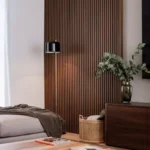
A blend of diffusion and absorption, these panels offer strong acoustic benefits with an elegant, modern design. They’re often used in living rooms, restaurants, and offices where aesthetics matter.
Bass Traps
Low-frequency problems require heavier solutions. Bass traps are installed in corners where bass naturally accumulates, helping balance out boomy or muddy sound.
How to Match Acoustic Panels to Your Room
Every space behaves differently. Here’s how to match panels to popular room types:
Home Offices
Focus on speech clarity. A few strategically placed panels behind and opposite your desk dramatically improve video calls.
Recording Studios
Studios need a mix of absorption and bass control. Use heavy panels, corner traps, and ceiling clouds for a balanced, professional sound.
Living Rooms & Open Spaces
Aesthetic-friendly panels like wooden slats blend nicely with home décor while reducing echo in large or hard-surface rooms.
Conference Rooms
Echo is the biggest enemy here. Aim for full-wall coverage or ceiling panels so conversations sound natural.
Key Factors to Consider When Buying Acoustic Panels
When choosing Acoustic Panels, pay attention to these critical features:
- Panel NRC Ratings
NRC (Noise Reduction Coefficient) ranges from 0.0 to 1.0.
0.7–1.0 = excellent absorption
0.4–0.6 = average
Aim for NRC 0.8 or higher for meaningful improvement. - Material Density & Thickness
Thicker panels absorb deeper frequencies.
1″ panels → speech frequencies
2–4″ panels → music and studio-grade absorption - Wall Coverage Percentage
General rule:
20–30% of the room’s surface for light improvement
40–60% for studios, conference rooms, or open spaces - Fire Ratings
Look for panels with safe, recognized fire certifications—especially for commercial use.
How Many Acoustic Panels Do You Actually Need?
Small Rooms
Start with 6–12 panels depending on your echo level.
Large Rooms
Use a mix of wall and ceiling panels to handle the bigger reflections.
Best Panel Placement for Maximum Results
Reflection Points
These are spots where sound bounces directly back toward your ears—often the side walls and ceiling.
Corners for Bass Control
Bass builds up in corners, so install bass traps vertically for balanced low-end response.
Installation Tips for Better Acoustic Performance
Height, Spacing, and Layout
- Hang panels at ear level
- eave small air gaps for better absorption
- Avoid placing panels behind thick curtains or furniture
Mounting Methods
Adhesive strips, impalers, z-clips, or basic screws all work depending on panel weight.
Budget Considerations
When to Spend More
High-quality fiberglass or wood-slat panels are worth it when sound clarity is critical.
Affordable Options That Work
Foam panels and DIY frames are great for beginners on a budget.
FAQs About Choosing Acoustic Panels
1. How do I know if my room needs acoustic treatment?
If you hear echo, reverb, or difficulty understanding speech, you likely need panels.
2. Can acoustic panels block sound between rooms?
No. Panels improve sound within a room but do not soundproof.
3. Are foam panels enough for a recording studio?
Foam helps, but studios also require bass traps and thicker panels.
4. Should acoustic panels cover the entire wall?
Not necessary—strategic placement is more effective.
5. Do acoustic panels work in open living spaces?
Yes. Larger rooms often need stylish panels or ceiling solutions.
6. Are wood-slat panels good for acoustics?
Absolutely—they combine absorption with diffusion, improving both sound and aesthetics.
Final Thoughts
Choosing the right Acoustic Panels becomes simple once you know what to look for—NRC ratings, material quality, coverage needs, and placement strategies. Whether you’re improving your home office or designing a full studio, the right panels transform your space into a clear, comfortable, and professional-sounding environment.